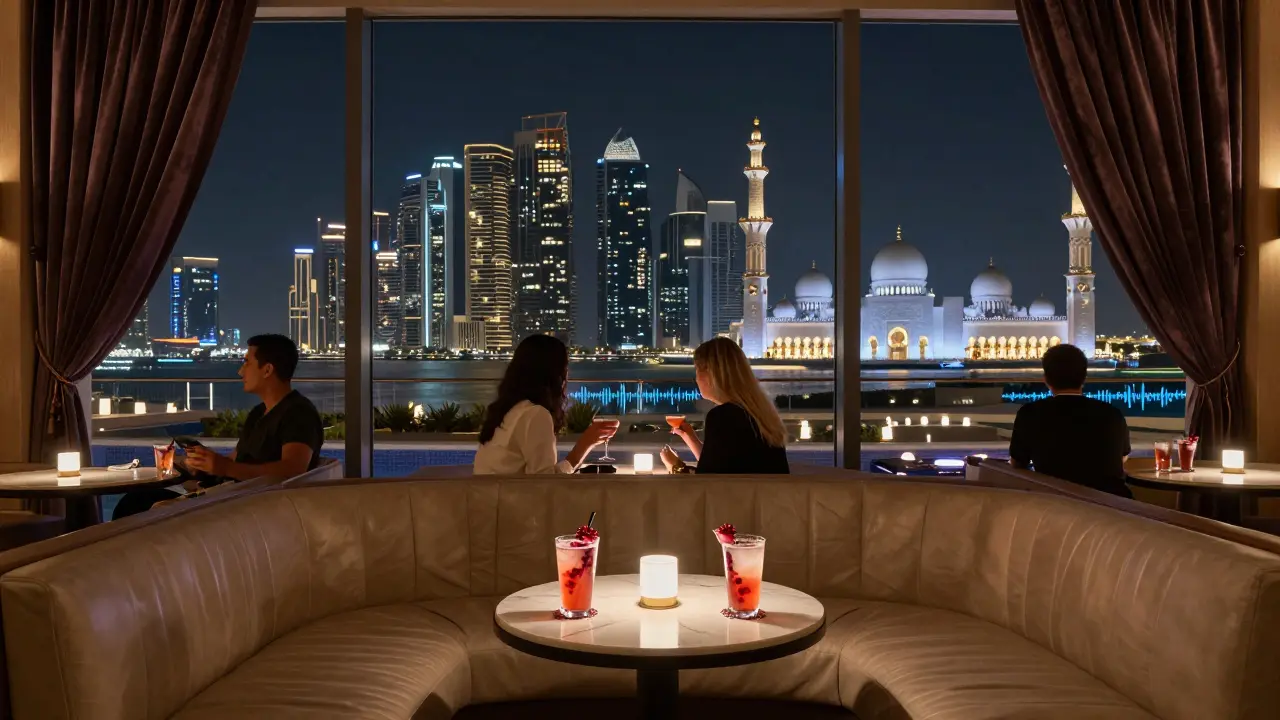
Abu Dhabi doesn’t just sleep when the sun goes down. While some assume it’s all quiet after dark, the city’s nightlife has quietly evolved into one of the most refined, stylish, and unexpected scenes in the Gulf. No longer just about VIP lounges and private parties, Abu Dhabi’s after-hours culture now blends global trends with local elegance - think velvet ropes next to Arabic calligraphy, live jazz under starlit domes, and cocktails crafted with date syrup and saffron.
Where the Elite Unwind: The Rooftop Scene
If you want to see Abu Dhabi’s skyline come alive, head to the rooftops. The city’s best bars sit atop luxury hotels, offering views that stretch from the Corniche to the Sheikh Zayed Grand Mosque. Al Maha at the St. Regis Abu Dhabi is the gold standard. Floor-to-ceiling windows, low-slung leather sofas, and a curated playlist of chilled house and nu-jazz make it feel like a secret garden in the sky. Their signature drink, the Desert Bloom - gin, pomegranate, rosewater, and a hint of smoked sea salt - is worth the wait.
Just down the road, Vertigo at the Emirates Palace delivers a different kind of magic. Open-air seating, live piano, and a menu of premium champagnes make it the go-to for anniversary nights and high-profile gatherings. Don’t be fooled by the quiet vibe - this is where CEOs, influencers, and diplomats come to be seen without trying too hard.
Clubbing Without the Chaos: The New Wave of Nightclubs
Forget the loud, crowded clubs of Dubai. Abu Dhabi’s nightlife isn’t about bass drops at 2 a.m. - it’s about atmosphere, exclusivity, and taste. Qasr Al Watan Club, tucked inside the presidential palace complex, is the city’s most talked-about venue. Membership is by invitation only, but occasional public nights feature international DJs spinning deep house and techno under crystal chandeliers. The lighting shifts with the music, casting golden hues across marble floors and curated art pieces.
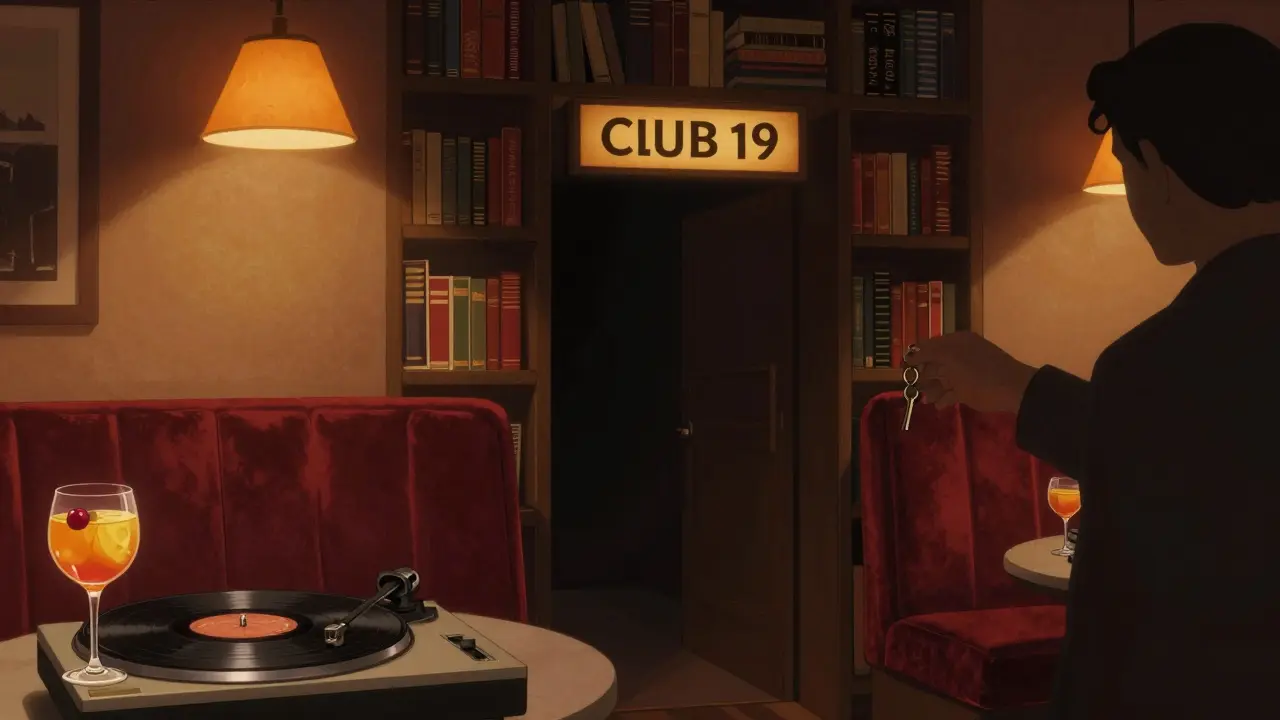
For something more underground, Club 19 in Al Maryah Island is where the locals go. No neon signs, no bouncers in suits - just a hidden door behind a bookshelf. Inside, you’ll find a dimly lit lounge with velvet booths, vinyl-only sound, and cocktails named after Emirati poets. It’s the kind of place you need a friend to get into - and once you’re in, you’ll understand why.
Live Music and Cultural Nights
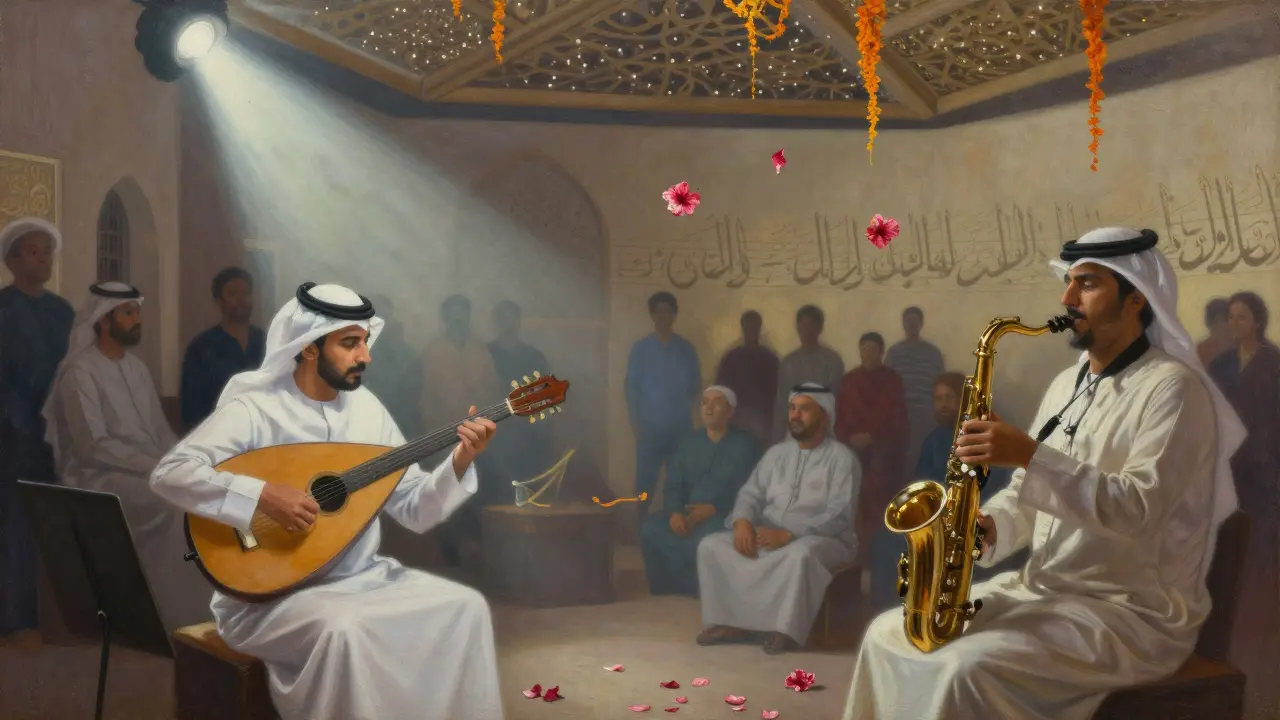
Abu Dhabi’s nightlife isn’t just about drinking. It’s about experiencing culture after dark. The Manarat Al Saadiyat hosts weekly jazz nights featuring regional musicians blending oud with saxophone. These aren’t tourist shows - they’re intimate performances with local talent, often followed by open mic poetry in Arabic and English.
Every Thursday, Al Mina Seafood Restaurant turns into a live music lounge after 9 p.m. Freshly grilled seafood, cold beers, and a band playing classic Arabic pop make it the most relaxed spot to end the night. Locals bring their families, but the vibe stays cool - no one’s rushing out.
What to Wear (And What Not To)
Abu Dhabi’s dress code is relaxed but refined. You won’t get turned away for wearing jeans - but you will stand out if you show up in flip-flops or a tank top. Men should opt for smart casual: tailored shorts, linen shirts, or dark jeans with loafers. Women can wear dresses, jumpsuits, or high-waisted pants with elegant tops. No swimwear, no athletic gear, and definitely no bare shoulders in venues inside hotels or cultural zones.
Here’s the rule: if you’d wear it to a fine dinner, you’re good. If you’d wear it to the gym, leave it at home.
Timing Is Everything
Most places don’t really come alive until after 10 p.m. Bars start filling around 11, clubs hit their stride at midnight, and the real energy doesn’t kick in until 1 a.m. - especially on weekends. Weeknights are quieter, perfect for a drink and a conversation. Fridays are the busiest - it’s the weekend here, after all. Don’t expect to walk into a popular club after 2 a.m. without a reservation.
Most venues close by 3 a.m., but a few, like Club 19 and Al Maha, stay open until 4. If you’re planning to party past 3, book ahead. Tables disappear fast.
Drinks That Define the Scene
Alcohol is served legally in licensed venues, but it’s not cheap. A cocktail here costs between AED 60 and AED 140. The real standout? The craft mixology scene. Bars are experimenting with local ingredients:
- Date molasses in bourbon old-fashioneds
- Saffron-infused gin with cucumber tonic
- Hibiscus syrup in sparkling wine spritzers
Some places even offer non-alcoholic cocktails that taste better than the real thing. Try the Desert Mirage at Al Maha - it’s made with rosewater, sparkling water, and a touch of cardamom. No alcohol, zero compromise.
Getting Around After Dark
Taxis are reliable and affordable. Use Careem or Uber - they’re widely available and accept cards. If you’re staying in a hotel, most offer complimentary shuttle services to major nightlife zones like Al Maryah Island, the Corniche, and Saadiyat Island. Walking is not recommended after dark unless you’re in a well-lit, tourist-heavy area.
There’s no public transport after midnight, so plan your ride home before you leave your first venue. Don’t rely on your phone’s battery - bring a portable charger.
Who Goes Where?
Abu Dhabi’s nightlife isn’t one-size-fits-all. Here’s how to match your vibe:
- For couples: Al Maha, Vertigo, or a quiet table at Al Mina
- For groups of friends: Club 19, Qasr Al Watan Club (on public nights)
- For music lovers: Manarat Al Saadiyat on Thursday nights
- For solo travelers: The Library Bar at The Ritz-Carlton - quiet, book-filled, and perfect for a single malt
There’s no pressure to be loud. The real luxury here is the space to breathe, to think, to enjoy the night without being overwhelmed.
Final Tip: Respect the Culture
Abu Dhabi is modern, but it’s not Dubai. Public displays of affection are frowned upon. Loud behavior, especially near mosques or cultural sites, will draw unwanted attention. Don’t take photos of people without asking. And never, ever drink and drive - the penalties are severe.
The best nights here aren’t the ones with the most drinks. They’re the ones where you slow down, listen to the music, watch the lights on the water, and realize you’re in a city that knows how to do elegance without shouting.
Is Abu Dhabi nightlife safe for tourists?
Yes, Abu Dhabi’s nightlife is very safe for tourists. The city has one of the lowest crime rates in the world, and licensed venues are well-monitored. Security is visible but not intrusive. As long as you follow local norms - no public intoxication, no inappropriate clothing, no public displays of affection - you’ll have a smooth experience. Always use registered taxis or ride apps at night.
Can I drink alcohol in Abu Dhabi?
Yes, but only in licensed venues like hotels, bars, and clubs. You cannot buy alcohol from supermarkets unless you have a personal liquor license - which is only available to residents. Tourists can drink legally in bars and restaurants that hold permits. Always carry your passport - ID checks are common.
What’s the best night to go out in Abu Dhabi?
Friday and Saturday nights are the busiest, especially at rooftop bars and clubs. Friday is the start of the weekend here, so expect crowds and longer wait times. If you prefer a quieter vibe, go on Thursday - many venues host live music, and the crowd is more relaxed. Weeknights are ideal for first-timers who want to avoid the rush.
Are there any free nightlife options in Abu Dhabi?
Yes. The Corniche comes alive at night with street performers, food stalls, and families enjoying the sea breeze. The Heritage Village sometimes hosts cultural performances after dark, and the Louvre Abu Dhabi occasionally opens late for special events. While these aren’t clubs or bars, they offer a rich, authentic night out without spending a dirham.
Do I need to make reservations for nightlife spots?
For rooftop bars and popular clubs like Al Maha, Vertigo, or Qasr Al Watan Club, yes - especially on weekends. Walk-ins are possible on weeknights, but you might end up waiting for a table. Book through their websites or apps. Club 19 doesn’t take reservations - it’s first come, first served, and you need a local connection to get in.

Write a comment