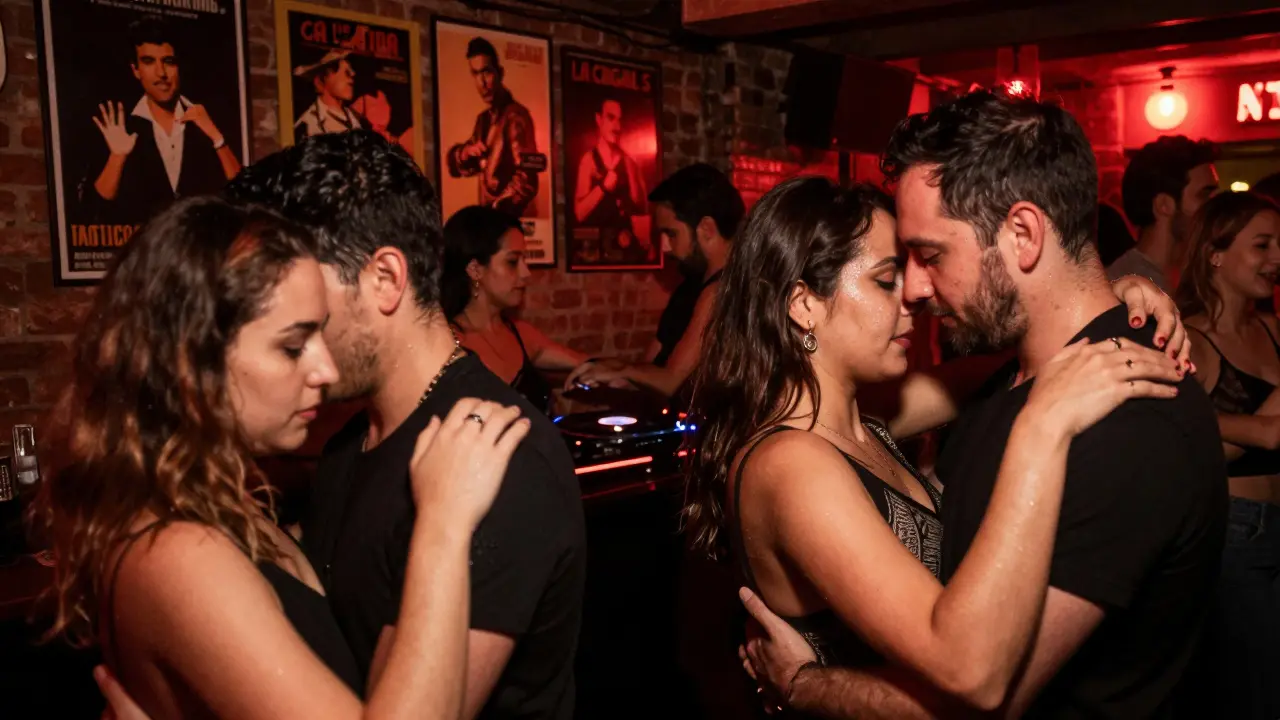
Paris isn’t just about croissants and the Eiffel Tower. When the sun goes down, the city wakes up with a rhythm you won’t find in most European capitals. Salsa beats pulse through hidden basements, Latin horns echo in candlelit bars, and bodies move in ways that make you forget you’re in a city known for silence and sophistication. If you’re looking for real salsa and Latin nightlife in Paris-not the tourist traps with fake Cuban music-you need to know where to go.
Where the Real Salsa Scene Lives
Most people think Paris is too French to have a genuine salsa scene. They’re wrong. The city has been home to passionate Latin dancers since the 1980s, when Cuban and Colombian immigrants brought their music and culture with them. Today, you’ll find locals-French, Colombian, Puerto Rican, Senegalese, and more-dancing six nights a week. The scene isn’t loud or flashy. It’s deep, raw, and built on respect for the music and the movement.
The heart of it all? La Cigale. Not the big concert hall everyone knows, but the basement club underneath it. Every Thursday, the space transforms. The lights drop, the air thickens with sweat and perfume, and the DJ drops a track that makes your chest vibrate. This isn’t a lesson. This isn’t a show. This is a community. People come here to dance, not to be seen. The floor fills fast, and if you’re new, someone will pull you in. No judgment. Just rhythm.
Le Balajo: The Old-School Gem
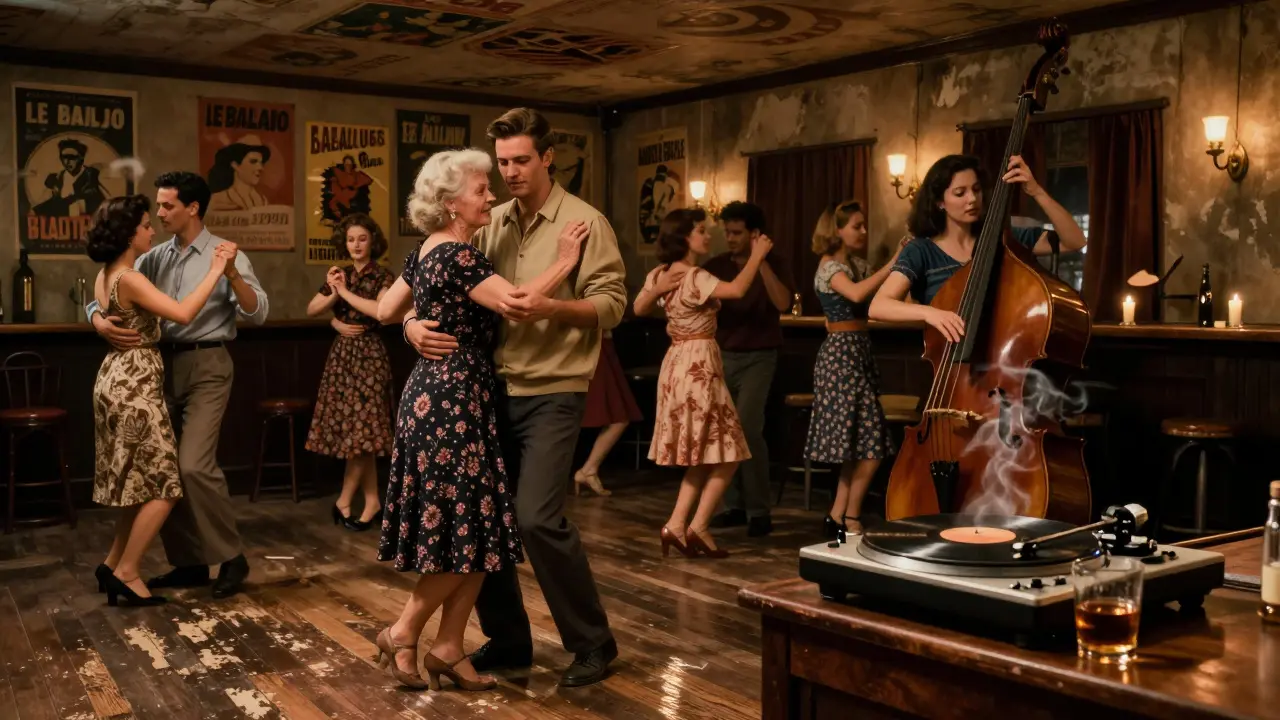
Open since 1936, Le Balajo in the 10th arrondissement doesn’t look like much from the outside. A faded sign, a narrow door, a staircase that creaks underfoot. But step inside, and you’re in a time capsule. The walls are lined with vintage posters of Latin legends. The ceiling is low. The floor is worn smooth by decades of dancing feet. The music? Pure Afro-Cuban son, mambo, and cha-cha-cha-played on vinyl, not Spotify playlists.
Every Friday and Saturday, the crowd is mixed: grandmas in heels, students in hoodies, expats who’ve lived here 20 years. The DJ doesn’t play what’s trending. He plays what makes people move. There’s no cover charge before 11 p.m. After that, it’s €8. You’ll find the same group of regulars here every week. They know each other’s names. They know who leads well, who follows with grace. If you show up with an open mind and clean shoes, you’ll leave with new friends.
La Bellevilloise: The Modern Hub
La Bellevilloise is where the younger crowd gathers. It’s bigger, louder, and more diverse. Located in the 20th arrondissement, this former wine warehouse now hosts everything from techno nights to Afrobeat parties. But every Wednesday, it turns into a Latin explosion. The DJ spins a mix of modern salsa dura, bachata, and reggaeton, with live percussionists sometimes joining in. The dance floor is packed, but the vibe is welcoming. You’ll see couples in matching outfits, solo dancers with headphones still in their ears, and tourists who came for the Instagram shot but stayed for the music.
The bar serves strong mojitos and caipirinhas. The snacks? Plantain chips, empanadas, and churros with dark chocolate. You can dance until 2 a.m., and if you’re lucky, the owner might slip you a free drink after you’ve been on the floor for three songs straight.
El Patio: The Secret Spot
El Patio is hard to find. No website. No Instagram. No sign outside. You need to know someone who knows someone. It’s tucked into a courtyard behind a shuttered bookstore in the 11th arrondissement. The entrance is marked only by a red lantern. Inside, it’s dim, cozy, and smells like woodsmoke and rum. The playlist is curated by a Cuban DJ who’s been dancing since he was 12 in Havana. He doesn’t play the same song twice in a night.
There are no tables. No chairs. Just a small floor, a speaker on a crate, and a handful of people who’ve been coming here for over a decade. The rules are simple: no phones on the dance floor. No posing. No taking photos. Just feel the music. If you get invited here, consider it a badge of honor. You’re not a tourist anymore. You’re part of the tribe.
What to Wear and How to Prepare
You don’t need fancy clothes. You need comfortable shoes. Seriously. The floors are old, the spaces are tight, and you’ll be dancing for hours. Avoid sneakers-they stick. Avoid heels-they slip. Look for dance shoes with leather soles or suede. If you don’t have any, a pair of dress shoes with a smooth sole will do.
As for the dress code? Parisians dress to move, not to impress. Women wear flowy skirts or fitted pants. Men wear button-downs or simple tees. No tank tops. No flip-flops. You’re not at a beach party. You’re in a place where rhythm matters more than labels.
Don’t worry if you don’t know how to dance. Most people here started as beginners. The key is to watch, listen, and follow. Don’t try to show off. Don’t lead if you’re unsure. Just match the energy. If someone invites you to dance, say yes. Even if you’re terrible. That’s how you learn.

When to Go and What to Expect
The best nights are Thursday through Saturday. Thursday at La Cigale is for serious dancers. Friday at Le Balajo is for the old-school crowd. Saturday at La Bellevilloise is for the party crowd. Wednesday at El Patio is for the insiders.
Arrive between 9:30 and 10:30 p.m. If you come later, you won’t get in. The spaces are small. The doors close early. And once they’re full, they stay full.
Don’t expect a stage. Don’t expect a dance lesson. Don’t expect someone to teach you. You’ll learn by watching. By feeling. By falling into the groove with someone who doesn’t speak your language but moves like they’ve known you forever.
Why This Matters
Paris has more than 100 salsa classes a week. But classes aren’t the point. The point is the connection. The music doesn’t just come from speakers-it comes from people. From the woman who’s danced every night for 15 years. From the guy who flies in from Bogotá just to play congas on weekends. From the teenager who learned salsa from YouTube but dances like she was born with it.
This isn’t nightlife as entertainment. This is nightlife as culture. As survival. As joy. As resistance. In a city that can feel cold and distant, these clubs are warm. They’re alive. They don’t care if you’re rich or poor, French or foreign. They care if you feel the beat.
If you want to understand Paris after dark, don’t go to the rooftop bars. Don’t go to the jazz clubs. Go where the bodies move. Go where the music doesn’t need translation. Go where the rhythm is the only language that matters.
Are there salsa classes in Paris for beginners?
Yes. Places like Casa Salsa, Le Studio de la Danse, and La Salsa Paris offer weekly beginner classes, mostly on weekdays. But don’t rely on classes alone. The real learning happens on the dance floor. Go to the clubs, watch, and ask to dance. Most locals are happy to help if you’re respectful and open.
Is it safe to go out for Latin nightlife in Paris?
Yes, the Latin dance scene is one of the safest nightlife communities in Paris. The vibe is tight-knit and protective. You’ll rarely see fights or drama. But like anywhere, stay aware. Avoid flashing valuables. Stick to well-known spots. Don’t walk alone late at night in unfamiliar areas after closing time. The clubs themselves are secure and often have bouncers who know the regulars.
Do I need to speak French to dance in these clubs?
No. The music and movement are universal. Most regulars speak some English, Spanish, or Portuguese. You’ll communicate through eye contact, a smile, and a hand on the shoulder. If you’re shy, just nod, point to the floor, and start moving. That’s all it takes.
How much does it cost to get into these clubs?
Most clubs charge between €5 and €10 at the door, usually after 11 p.m. Some, like Le Balajo, have no cover before then. Drinks range from €6 to €10. You can get by with one drink and just dance. Many people don’t even buy alcohol-they just come for the music and the company.
Are there any Latin clubs that play bachata or reggaeton?
Yes. La Bellevilloise plays reggaeton on Saturdays. El Patio sometimes mixes in bachata. There’s also a monthly event called La Noche de la Bachata at Le Comptoir Général, which draws a younger, international crowd. But if you want the purest salsa experience, stick to the clubs that focus on Cuban and Puerto Rican styles.

Write a comment