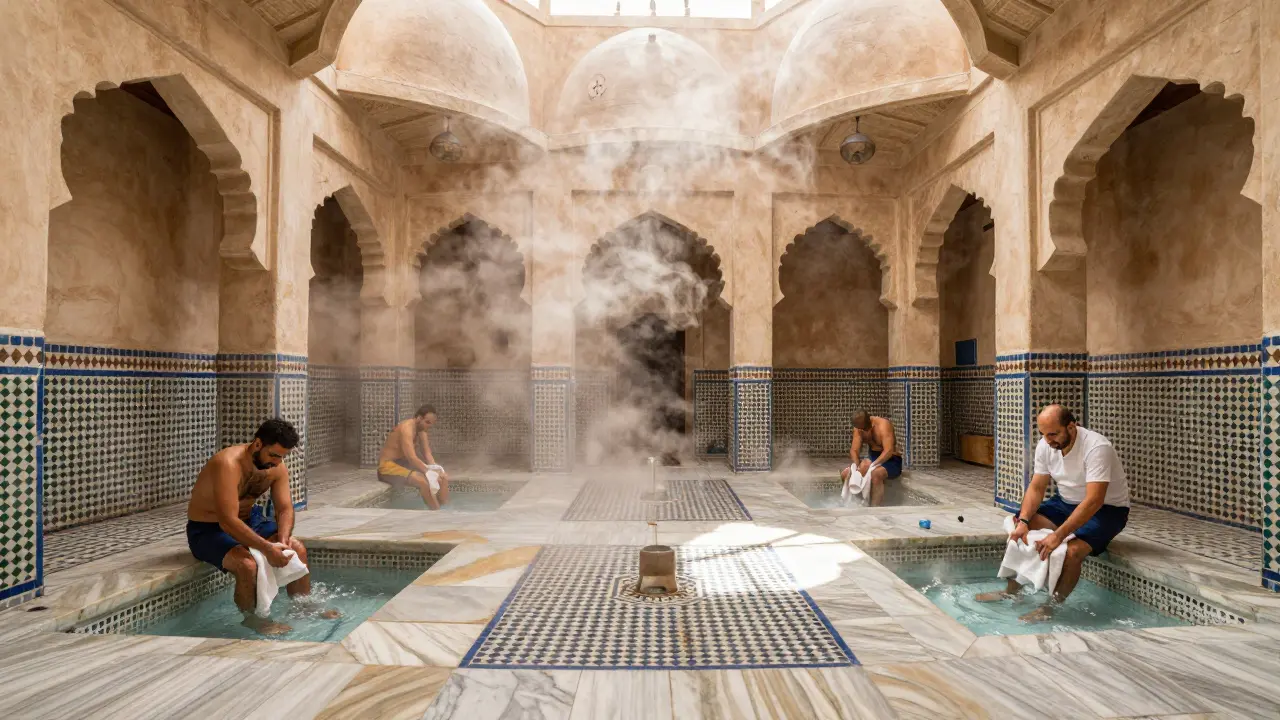
Contrary to popular myths, Dubai does not have a culture of sex massage. In fact, such services are strictly illegal here. But there's a rich history of therapeutic massage rooted in Middle Eastern traditions. Let's unpack the reality of Dubai massage culture.
The Cultural Roots of Massage in Dubai
Dubai is a city in the United Arab Emirates known for its luxury lifestyle and modern architecture. However, when it comes to massage services, cultural traditions and legal frameworks shape what's available. Traditional practices like the hammam (a Middle Eastern bathhouse) have been part of daily life for centuries, focusing on cleanliness and relaxation.
The Hammamis a social and hygienic institution in Arab culture, not a sexual service. Historically, hammams were community hubs where people gathered for steam baths, exfoliation, and basic body treatments. These spaces were strictly gender-segregated and deeply rooted in Islamic hygiene practices. In Dubai, hammams were common in older neighborhoods like Al Bastakiya, where locals would visit weekly for cleansing rituals. This tradition emphasized health and community-not anything sexual.
Modern Luxury Spas: Wellness Without the Misconceptions
Luxury Spasin Dubai operate under strict regulations and focus solely on therapeutic treatments. Today’s high-end spas in hotels like Burj Al Arab or Armani Hotel offer everything from Swedish massage to hot stone therapy. These services are designed for relaxation and physical well-being, not sexual activity. A licensed therapist will never offer "happy endings" or anything beyond professional therapeutic touch.
For example, the Therapeutic Massagein Dubai spas uses techniques like deep tissue or aromatherapy to relieve muscle tension. These treatments are backed by scientific evidence for reducing stress and improving circulation. Many spas also integrate traditional Middle Eastern practices like using rosewater or olive oil scrubs. The key difference? Every service is fully clothed or draped appropriately, with no sexual component ever involved.

Legal Reality: What You Need to Know About UAE Laws
UAE Federal Law No. 3 of 1987explicitly bans prostitution and any sexual services for money. This law makes it clear: massage services involving sexual acts are illegal. Penalties include jail time, fines, or deportation for foreigners. Even offering "special" services under the guise of massage can lead to criminal charges.
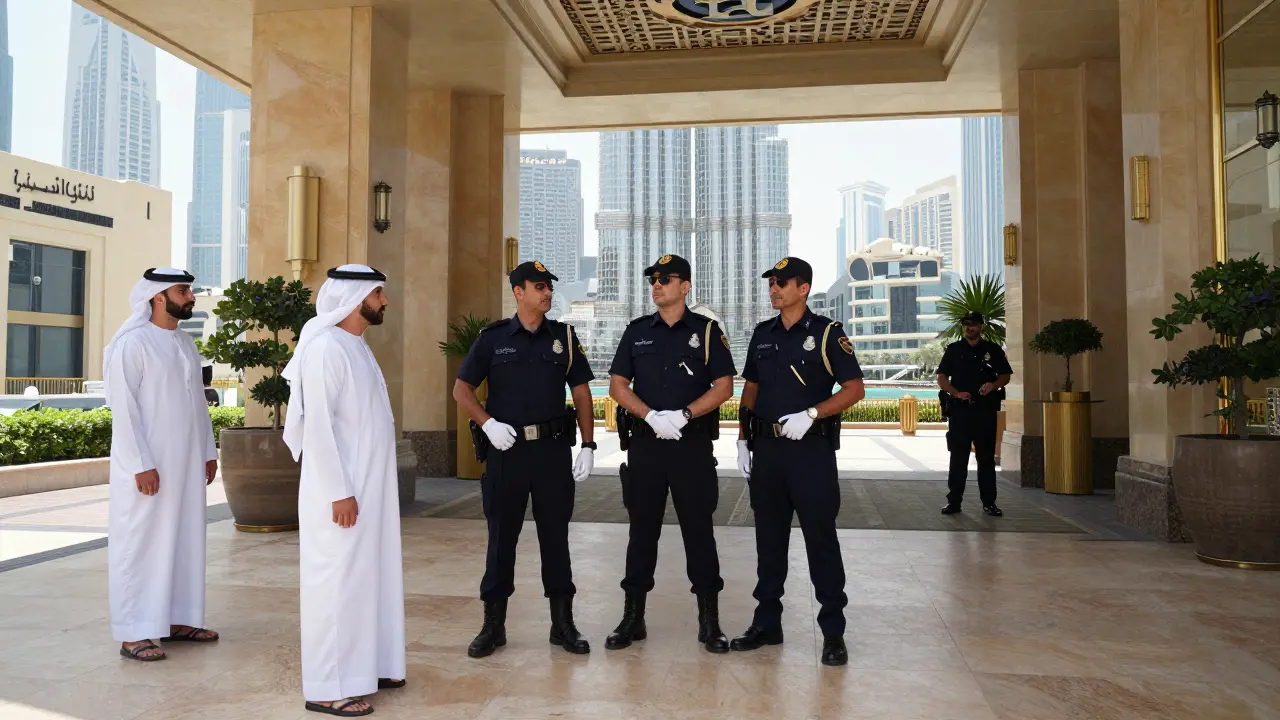
Legitimate spas must display valid licenses from Dubai’s Department of Tourism and Commerce Marketing. These licenses specify exactly what services they can offer-like therapeutic massage, facials, or hydrotherapy. Any spa claiming to provide "sex massage" is operating illegally and is likely a scam. Police regularly shut down such operations. In 2024 alone, authorities arrested 12 people for running illegal massage parlors in Dubai.
Debunking Common Myths
Many people confuse Dubai with countries where sex work is tolerated, like Thailand or parts of Europe. But Dubai’s cultural and legal landscape is completely different. The UAE has conservative Islamic values, and public decency laws are strictly enforced. Even holding hands in public can lead to fines-let alone sexual services.
Another myth is that "massage" automatically implies sexual activity. In reality, professional massage therapy worldwide focuses on physical health. For instance, a 2023 study by the American Massage Therapy Association found that 95% of licensed therapists worldwide never engage in sexual services. Dubai follows this global standard. Any suggestion otherwise is misinformation.
How to Choose a Legitimate Spa in Dubai
Here’s how to spot a real spa and avoid scams:
- Check licensing: Visit the spa’s website or ask for their Department of Tourism license number. You can verify it online at the Visit Dubai portal.
- Avoid vague names: Steer clear of places with names like "Happy Ending Spa" or "Sensual Massage". Legitimate spas use professional names like "Wellness Haven" or "Thermal Retreat".
- Look for professional credentials: Therapists should have certificates from recognized institutions like the International Dermal Institute. Ask to see them.
- Read reviews carefully: Genuine reviews on Google or TripAdvisor mention specific treatments (e.g., "deep tissue massage for back pain")-not sexual references.
- Visit reputable hotels: Spas inside five-star hotels like Jumeirah or Atlantis are always licensed and safe.
Cultural Sensitivity Tips for Visitors
Dubai blends modernity with deep cultural traditions. To respect local customs:
- Dress modestly in public. Avoid revealing clothing outside hotel pools or beaches.
- Never discuss sexual topics openly. This is considered inappropriate in Emirati culture.
- Ask before taking photos of people or religious sites. Many locals value privacy.
- Understand that hospitality is central to Emirati culture. A simple "thank you" goes a long way.
Remember: Dubai’s reputation for luxury and innovation comes from its commitment to safety and order. What you experience at a legitimate spa is part of that culture-wellness without compromise.
Is sex massage legal in Dubai?
No. UAE Federal Law No. 3 of 1987 strictly prohibits all sexual services for money, including "sex massage." Violations can lead to imprisonment or deportation.
What’s the difference between a hammam and a modern spa in Dubai?
A hammam is a traditional public bathhouse focused on communal cleansing and basic hygiene treatments. Modern spas are private, luxury facilities offering personalized therapeutic services like deep tissue massage or hot stone therapy. Both are non-sexual, but hammams emphasize community while spas prioritize individual wellness.
Can I get a massage at a hotel spa in Dubai?
Yes. Hotels like Burj Al Arab or Raffles offer licensed therapeutic massages. These services are professional, transparent, and fully compliant with UAE laws. Always book through official channels for safety.
What happens if I visit an illegal massage parlor?
You risk arrest, fines, or deportation. Police frequently raid unlicensed establishments. In 2024, over 50 foreign tourists were deported for visiting such places. Never risk it-stick to verified spas.
Are there any cultural taboos around massage in Dubai?
Yes. Public displays of affection are illegal, and discussing sexual topics openly is rude. Always respect privacy and modesty. Therapists will never engage in anything beyond professional therapeutic touch-so there’s no need to worry about cultural misunderstandings at legitimate spas.

Write a comment