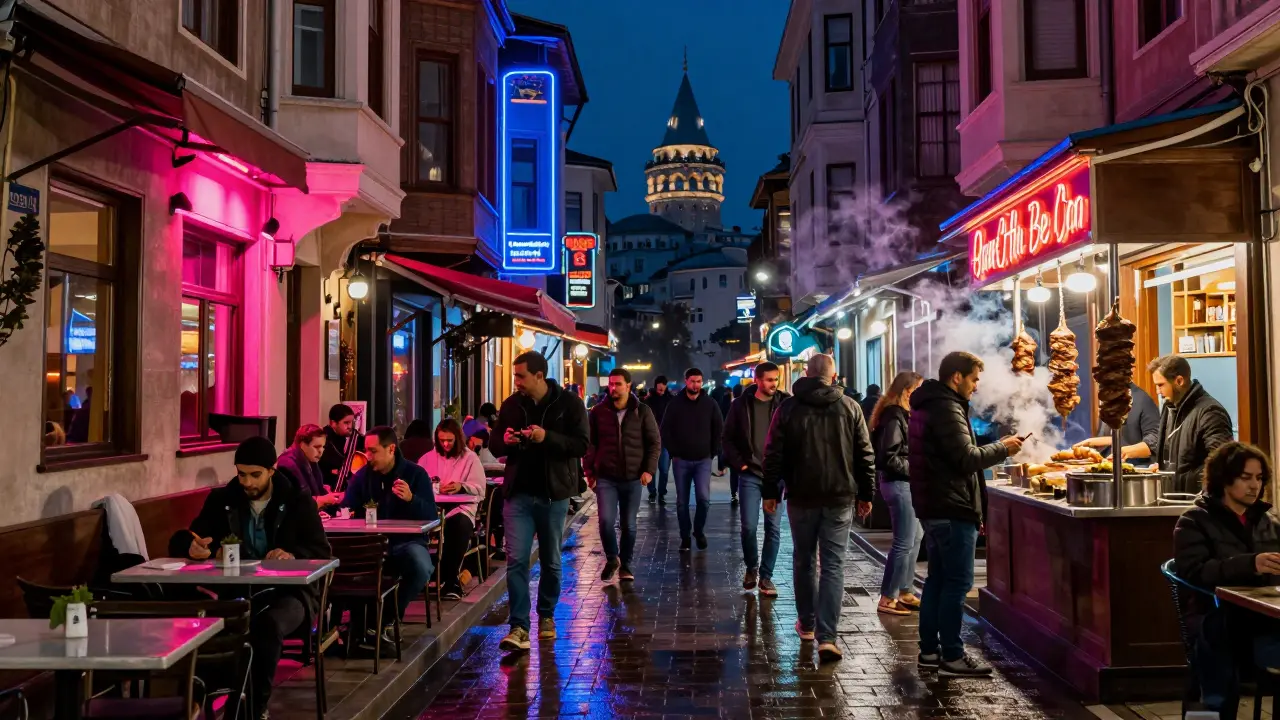
When the sun dips below the Bosphorus, Istanbul doesn’t just shut down-it wakes up. The city that straddles two continents doesn’t sleep; it transforms. One moment you’re wandering through ancient bazaars, the next you’re dancing under neon lights with the Aegean breeze rolling through open windows. This isn’t just a party scene. It’s a living rhythm, older than empires, louder than history, and more unpredictable than the waves below the Galata Bridge.
Where the City’s Pulse Beats Loudest
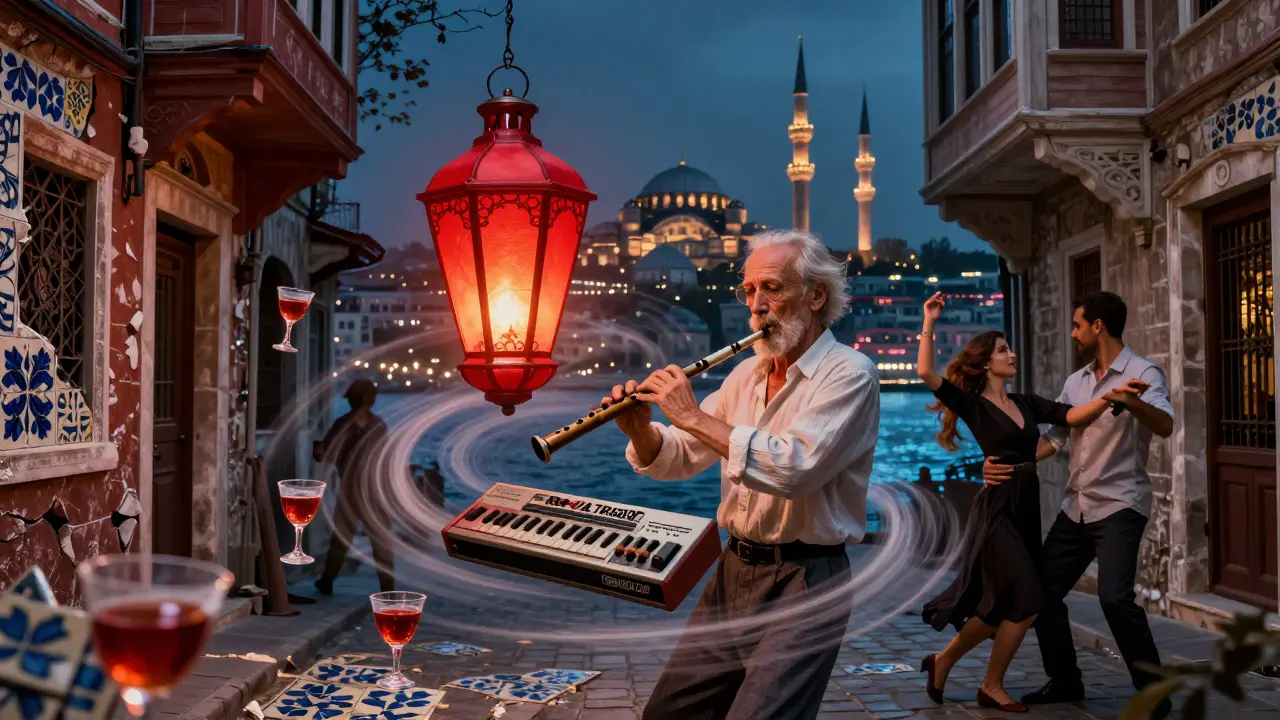
Start in Beyoğlu. It’s the heartbeat. İstiklal Avenue, once a quiet street of Ottoman-era shops, is now a 1.4-kilometer electric corridor of music, smoke, and laughter. Walk it at midnight and you’ll hear everything: Turkish pop remixes blasting from rooftop lounges, jazz trios playing in basement cellars, and the low hum of a bağlama drifting out of a hidden meyhane. There’s no single "best" club here. The magic is in the stumble. Turn left at the old cinema and you find Reina, a floating venue on the water with DJs spinning deep house as yachts glide past. Turn right and you’re in Kule, where the crowd is young, the beats are hard, and the view of the Golden Horn is free if you stand on the balcony.Don’t confuse this with Western club culture. Istanbul’s nightlife doesn’t follow a script. One night, a 70-year-old oud player might take over the mic at Bar 23. The next, a techno set from Berlin spills into the alley behind Karma-no sign, no bouncer, just a single red lantern. You find it by the line. You don’t book it. You feel it.
The Bosphorus Effect
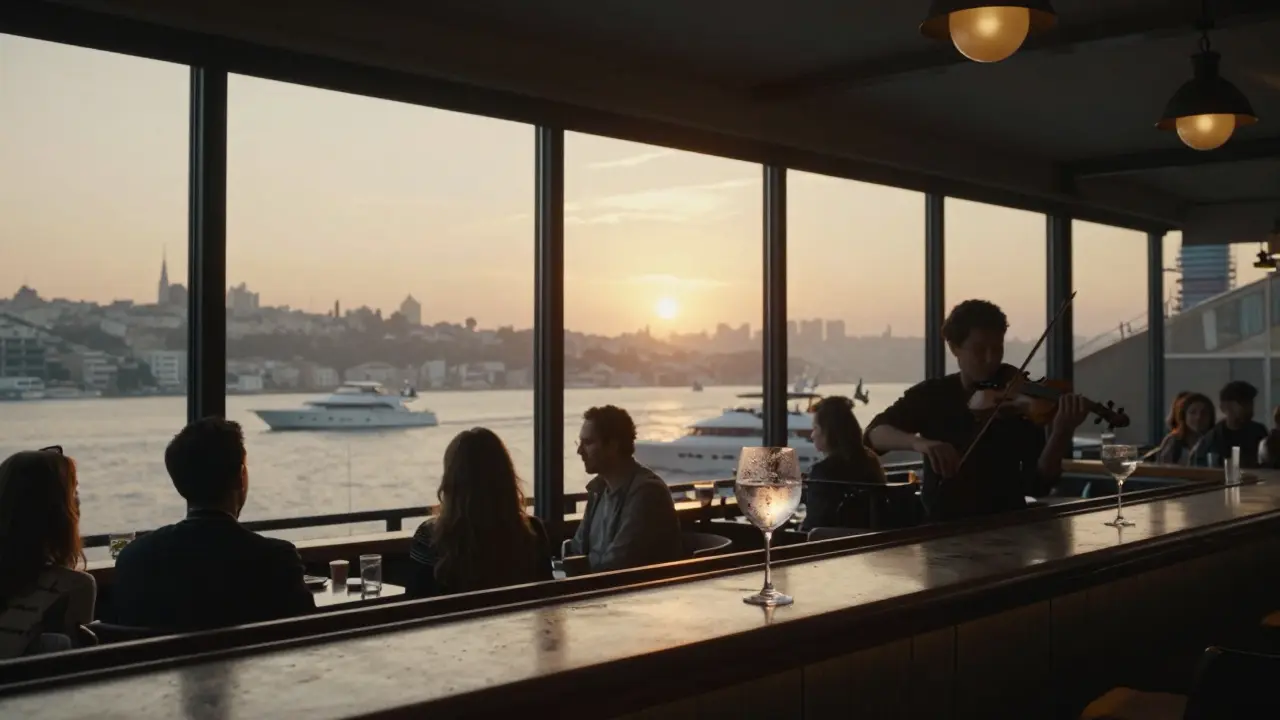
The water changes everything. The nightlife along the Bosphorus isn’t just about drinking-it’s about being suspended between two worlds. In Bebek, the upscale stretch north of the city, you’ll find Leb-i Derya, a rooftop bar with floor-to-ceiling windows and cocktails named after Ottoman poets. The price? Around 180 Turkish lira for a gin and tonic. Worth it? Only if you’ve never seen the city lights shimmer on the water while a live violinist plays a cover of "Smooth".Down in Arnavutköy, the vibe shifts. Smaller venues. More locals. Bar 1903 has no menu. Just ask the bartender what’s fresh. He’ll hand you a glass of raki with a slice of orange and a story about his grandfather’s fishing boat. This isn’t a tourist trap. It’s a secret whispered between friends. You’ll know you’re in the right place when the old man next to you starts singing along to a 90s Turkish rock song-and you realize you’ve been here longer than you planned.
Where the Music Never Stops
Istanbul doesn’t just have clubs-it has genres. In Karaköy, Uzun Masa turns into a live music den every Friday. No DJs. Just musicians. A singer with a voice like cracked leather, a drummer who plays with his elbows, and a bassist who never looks up. You pay 50 lira at the door. You leave with a headache and a new favorite song.Then there’s the underground. In Kadıköy, on the Asian side, Yeni Sahne hosts experimental nights where electronic beats mix with traditional ney flutes. It’s not for everyone. But if you’ve ever wondered what it sounds like when a 500-year-old Sufi chant meets a Roland TR-808, this is your answer. The crowd? Mostly artists, students, and expats who’ve lived here long enough to stop asking why.
Food That Keeps You Awake
You can’t talk about Istanbul nightlife without food. The kebab joints close at 2 a.m.? Wrong. In Taksim, Çiya Sofrası serves Kurdish-style grilled meats until 4 a.m. Their lamb liver with pomegranate molasses? A revelation. In Kadıköy, Çiğ Köfte carts roll out after midnight, handing out raw meatballs wrapped in lettuce with chili paste. Locals swear it’s the only thing that cures a bad night out.And then there’s the dessert. Bademli Sütlaç at İstanbul Sütlaççısı in Beşiktaş isn’t just rice pudding. It’s warm, caramelized, topped with crushed almonds, and served with a single rose petal. You eat it at 3 a.m. with a friend who just broke up with someone. Or maybe you’re celebrating something you can’t name. Either way, it tastes like forgiveness.
Rules You Don’t Find in Guidebooks
Here’s what no travel blog will tell you:- Don’t wear sneakers to Reina. The dress code is "elegant chaos"-think linen shirts, no logos, no flip-flops.
- Don’t ask for ice in your raki. It’s sacrilege. Drink it neat, with water on the side. Watch how it turns milky. That’s the ritual.
- Don’t take photos inside meyhanes without asking. The owner might let you. Or he might glare. Either way, respect the silence.
- Don’t assume everyone speaks English. Learn "Teşekkür ederim"-thank you. It opens more doors than any club pass.
- Don’t leave before 4 a.m. The real night starts then. The music changes. The crowd thins. The city becomes yours.
The Last Light
By dawn, the clubs are empty. The last stragglers stumble onto the ferry to Kadıköy, laughing about how they didn’t mean to stay this long. The street cleaners sweep up cigarette butts and empty raki glasses. The sun rises over the minarets, and for a few quiet minutes, Istanbul is still.But you know better. You’ve felt it. The pulse beneath the pavement. The echo in the alley. The way the city breathes when the world thinks it’s asleep.
This isn’t nightlife. It’s a second life.
What’s the best time to visit Istanbul for nightlife?
Late spring to early fall (May to September) is peak season. The weather is warm, outdoor venues are open, and festivals like the Istanbul Jazz Festival bring international acts. But if you want raw, local energy, come in October or April. The crowds are thinner, prices are lower, and the clubs feel more alive.
Is Istanbul nightlife safe for solo travelers?
Yes, but with awareness. The main areas-Beyoğlu, Karaköy, and Kadıköy-are well-lit and patrolled. Avoid isolated streets after 2 a.m., especially near train stations. Don’t flash cash. Don’t accept drinks from strangers. Most locals are warm and protective of visitors. If you look lost, someone will ask if you need help. Trust that.
Do I need to make reservations for clubs in Istanbul?
Only for the biggest venues like Reina or Kule on weekends. Most places operate on first-come, first-served. Walk-ins are common. In fact, some of the best nights happen when you don’t plan. Show up at 11 p.m. at Bar 23. See who’s there. Let the night decide.
What’s the average cost of a night out in Istanbul?
A beer costs 50-80 lira. A cocktail, 100-180 lira. Cover charges? Usually 0-100 lira, often waived if you buy a drink. A full night-two drinks, dinner, and a ride home-runs about 500-800 lira ($15-25 USD). That’s less than half the price of London or Paris.
Are there any cultural taboos I should avoid?
Yes. Don’t drink alcohol in public parks or near mosques. Don’t disrespect religious sites-even if they’re next to a club. Don’t assume everyone is secular. Many locals drink, but they still respect tradition. And never raise your voice in a meyhane. The quiet is part of the culture. Also, tipping isn’t required but appreciated. A few extra lira on the table says "thank you" louder than words.
If you’re looking for more than just a party, Istanbul offers something deeper: a place where ancient rituals meet modern rebellion. Where the call to prayer blends with basslines. Where a single glass of raki can start a conversation that lasts until sunrise. This isn’t nightlife you visit. It’s a world you step into-and sometimes, you never leave.

Write a comment