Paris isn’t just about croissants and the Eiffel Tower. When the sun goes down, the city wakes up with a pulse you can feel in your chest. Live music doesn’t just happen here-it thrives. From smoky jazz cellars to underground rock dives, Paris has venues where the music doesn’t just play, it lives. If you’re looking for real nightlife, not just bars with a playlist, these are the spots that still matter.
Le Caveau de la Huchette
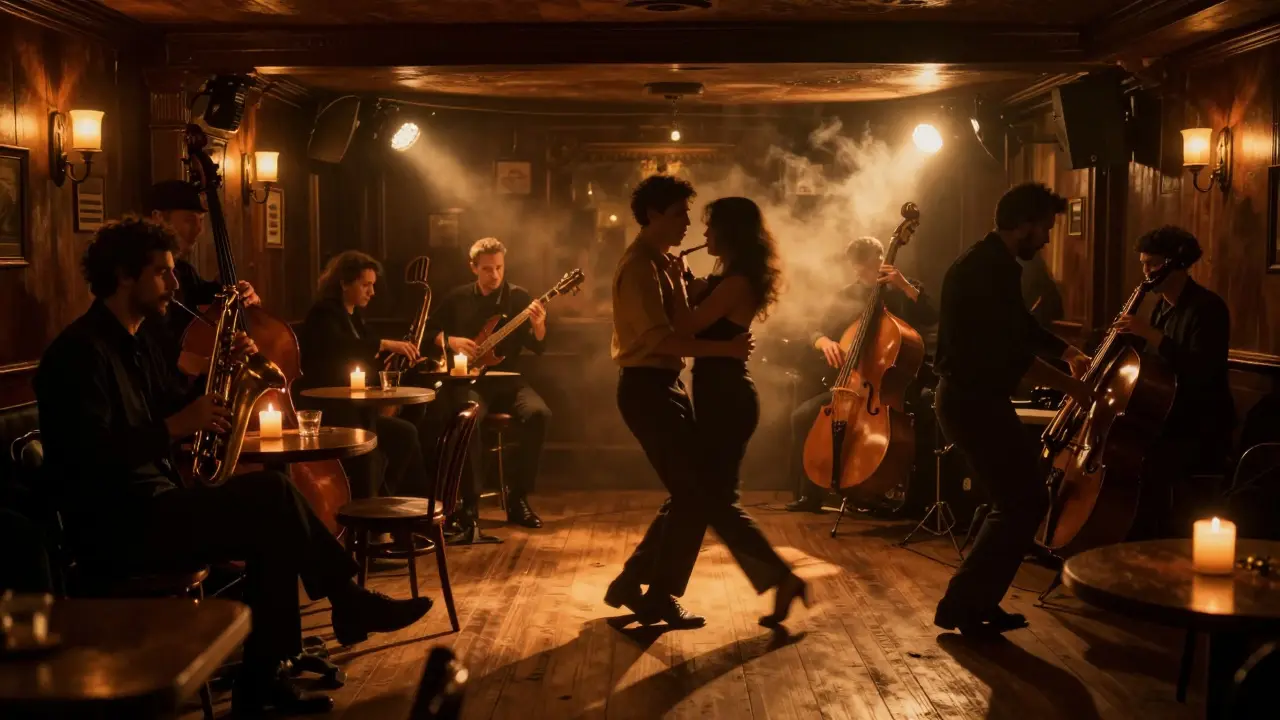
Opened in 1946, this cellar beneath a 17th-century building in the Latin Quarter is one of the last surviving live music spots from Paris’s swing era. You don’t walk in-you descend. Wooden floors creak, candlelight flickers, and the air smells like old wood, cigarette smoke, and bourbon. The band? Always a five-piece jazz ensemble playing authentic 1930s hot jazz. No fancy lights, no digital screens. Just horns, drums, and a piano that’s seen more than 70 years of dancers. Locals come here after dinner. Tourists come for the Instagram shot. But the ones who stay? They’re the ones who let the music take over. You’ll dance without thinking. You’ll clap without knowing why. It’s not a performance-it’s a ritual.
La Cigale
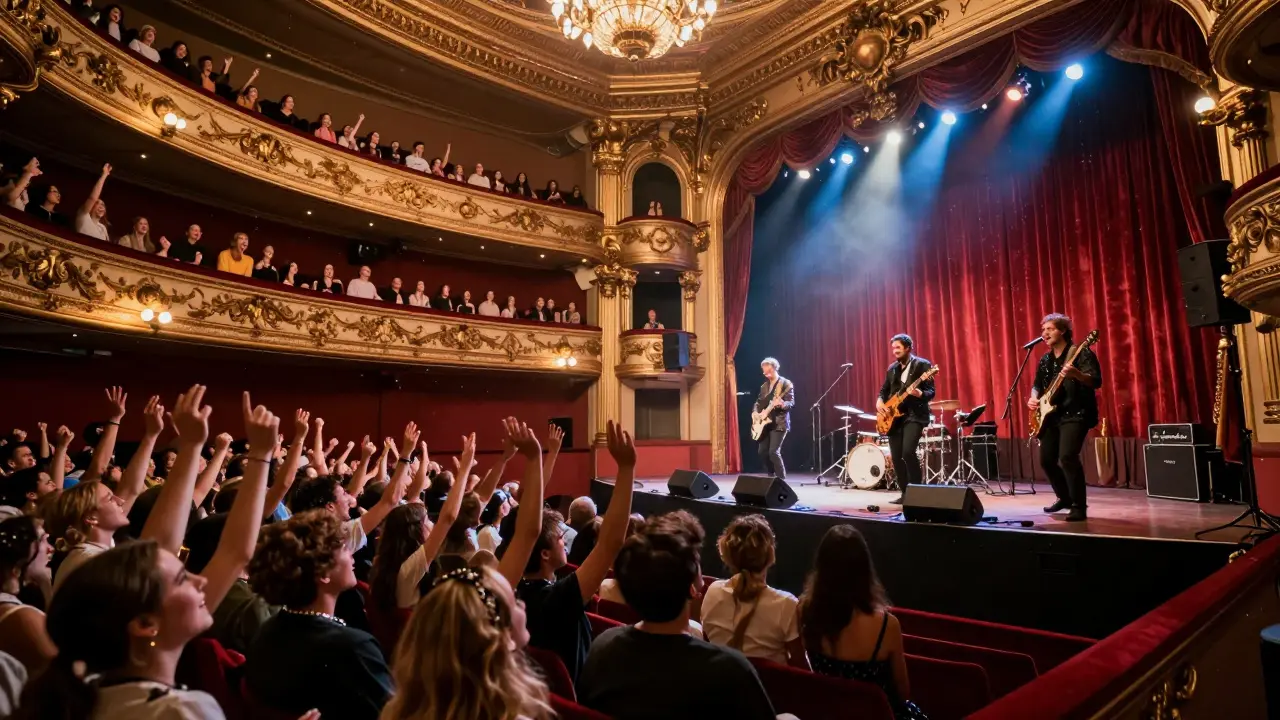
La Cigale isn’t just a venue-it’s a rite of passage. Located in Montmartre, this 1,500-capacity hall has hosted everyone from Johnny Hallyday to Hozier. The building itself looks like a 19th-century opera house with gold trim and velvet curtains, but the energy inside is pure rock. You’ll find indie bands from Lyon, punk acts from Marseille, and rising French stars testing new material. The sound system? Crisp. The crowd? Loud. The staff? They’ve seen it all. If you want to feel like you’re part of something bigger than a concert, this is where it happens. The balcony seats are worth the extra euros. You get a better view, and you’re far enough from the sweat to breathe.
Le Transmusicales de Rennes (Paris Pop-Up)
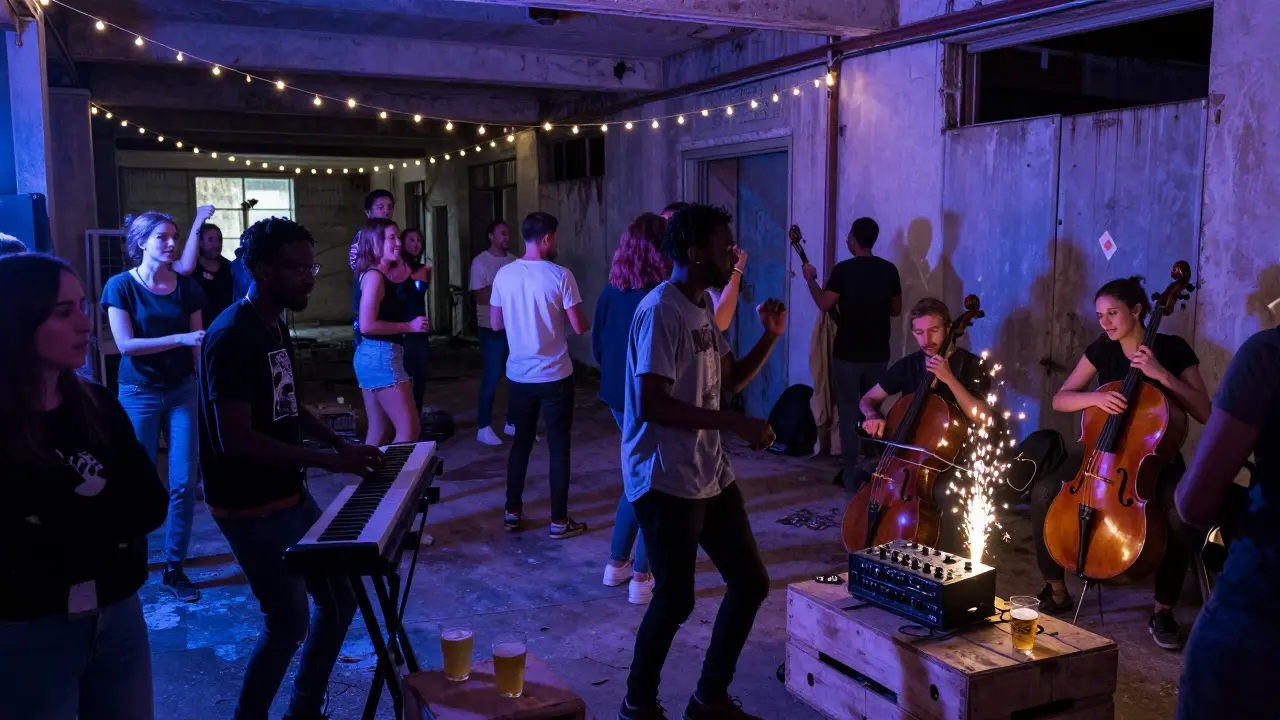
Every month, a different indie festival from Brittany sets up shop in an abandoned warehouse near Canal Saint-Martin. It’s called the Transmusicales pop-up, and it’s the best-kept secret in Paris nightlife. No big names. No sponsors. Just raw talent. You’ll find a 19-year-old singer-songwriter from Senegal blending Wolof rhythms with synth-pop. A trio from Lyon playing ambient noise with live cello. A DJ from Bordeaux spinning French garage rock with a turntable and a broken mixer. It’s chaotic. It’s loud. It’s free. You show up, grab a cheap beer from the pop-up bar, and let the music surprise you. It’s not curated. It’s not polished. But it’s real. And in a city full of polished experiences, that’s rare.
Le Petit Journal Saint-Michel
Down a narrow alley behind Saint-Michel Cathedral, this tiny room holds maybe 80 people. The walls are painted black. The ceiling is low. The stage is a raised wooden platform no bigger than a king-sized bed. This is where Paris’s most daring experimental acts test their sound. You’ll hear a drummer using only pots and pans. A vocalist singing in a language no one recognizes. A laptop playing field recordings from the Paris Metro, manipulated live. It’s not for everyone. But if you’ve ever wondered what music sounds like when it’s being invented, this is the place. The owner, a former sound engineer from Lyon, doesn’t book acts-he finds them. He walks the streets, listens at open mics, and knocks on doors. If you’re lucky, he’ll invite you to sit in the back row and tell you who’s coming next week.
New Morning
Since 1979, New Morning has been the heartbeat of Paris’s soul, funk, and R&B scene. It’s not flashy. No VIP section. No bottle service. Just a long bar, a small stage, and a crowd that knows how to move. You’ll see students from the Sorbonne, retirees who danced in ’70s Harlem, and tourists who stumbled in after a wrong turn. The bands? Mostly American jazz and blues acts touring Europe. But you’ll also find French artists like Zaz or Oumou Sangaré bringing their own twist. The acoustics are perfect-warm, rich, never too loud. And the vibe? It’s like walking into a living room where everyone’s been waiting for you. Order a whiskey. Sit near the front. Let the bassline pull you in. You won’t leave until the last note fades.
La Maroquinerie
Hidden in the 11th arrondissement, La Maroquinerie used to be a leather workshop. Now it’s a 500-capacity venue where electronic, hip-hop, and indie rock collide. The space is industrial-concrete floors, exposed pipes, steel beams. But the sound? Smooth. The lighting? Dynamic. The crowd? Young, diverse, and totally engaged. This is where Paris’s underground dance scene finds its voice. You’ll find DJs spinning rare vinyl from the 80s. Rappers from the suburbs freestyling over live drum machines. Bands that mix analog synths with field recordings of Paris rain. The bouncers? They don’t check IDs. They check vibes. If you’re dancing like no one’s watching, you’re in. The doors don’t open until 11 p.m. But by midnight, it’s packed. And by 2 a.m.? You’ll still be there.
Why These Venues Matter
Paris has hundreds of bars. But not all of them have music that moves you. The venues above aren’t just places to hear a band-they’re spaces where music becomes memory. You’ll remember the night you danced on a wooden floor in a 1940s cellar. The night you heard a 19-year-old poet turn a broken guitar into a symphony. The night you didn’t know the song, but you sang along anyway.
These places survive because they’re not trying to be trendy. They’re not selling cocktails with names like "Eiffel Dream." They’re selling moments. And in a city that’s often about appearances, that’s the rarest thing of all.
What to Expect When You Go
- Door policies: Most venues don’t charge cover before 10 p.m. After that, expect €10-€20. Cash is still king at smaller spots.
- Timing: Shows usually start at 9:30 or 10 p.m. Arrive early if you want a good spot. Latecomers get stuck in the back.
- Dress code: No suits required. Jeans, boots, or a leather jacket are fine. Avoid sneakers if you’re going to La Cigale-it’s still a bit formal.
- Language: Don’t worry if you don’t speak French. The music doesn’t need translation.
- Transport: Metro lines 4, 6, 10, and 13 cover most of these spots. Night buses run until 5 a.m.
Final Tip
Don’t just follow the tourist lists. Walk into a venue you’ve never heard of. Ask the bartender, "Who’s playing tonight?" If they light up, you’re in the right place.
Are these venues open year-round?
Yes, all of them operate year-round, though some reduce their schedule in January and August. Le Caveau de la Huchette and New Morning play nearly every night. Smaller spots like Le Petit Journal may have 3-4 nights a week. Always check their website or Instagram the day before-you’ll find last-minute changes, guest musicians, or surprise sets.
Can I find English-speaking bands in Paris?
Absolutely. New Morning and La Maroquinerie regularly host touring American and British acts. La Cigale books international indie bands every week. Even jazz spots like Le Caveau often feature American musicians on tour. You’ll hear more English-language music here than in most major European cities.
Is it safe to go out late for live music in Paris?
Yes, these venues are in well-lit, busy neighborhoods with strong foot traffic. Le Caveau, La Cigale, and New Morning are in areas that are patrolled at night. The biggest risk isn’t safety-it’s getting too caught up in the music and missing the last metro. Always check the Metro schedule. Night buses (Noctilien) run every 30 minutes until 5 a.m. and stop near all these venues.
Do I need to book tickets in advance?
For La Cigale and New Morning, yes-especially on weekends. For smaller venues like Le Petit Journal or La Maroquinerie, tickets are usually sold at the door. The Transmusicales pop-up is free and first-come, first-served. If a show is listed on Fnac or Ticketmaster, book ahead. If it’s just on Instagram or a small venue’s website, you can usually walk in.
What’s the best night to go out for live music in Paris?
Thursday and Friday are the busiest, with the most variety. Saturday is great if you want big names, but expect crowds. Sunday nights are surprisingly good-many venues host intimate acoustic sets or jazz trios. Le Caveau and Le Petit Journal often have their best shows on Sundays. Avoid Monday unless you’re looking for a quiet night-most places are closed.

Write a comment