When the sun sets over Milan, the city doesn’t sleep-it switches gears. The sleek, polished vibe of daytime fashion shows and designer boutiques gives way to something wilder, louder, and more electric. This isn’t just a city that has nightlife. Milan is nightlife. And if you think it’s all about glitz and designer labels, you’re missing the real pulse of the place.
Where the Night Starts: Navigating Milan’s Key Districts
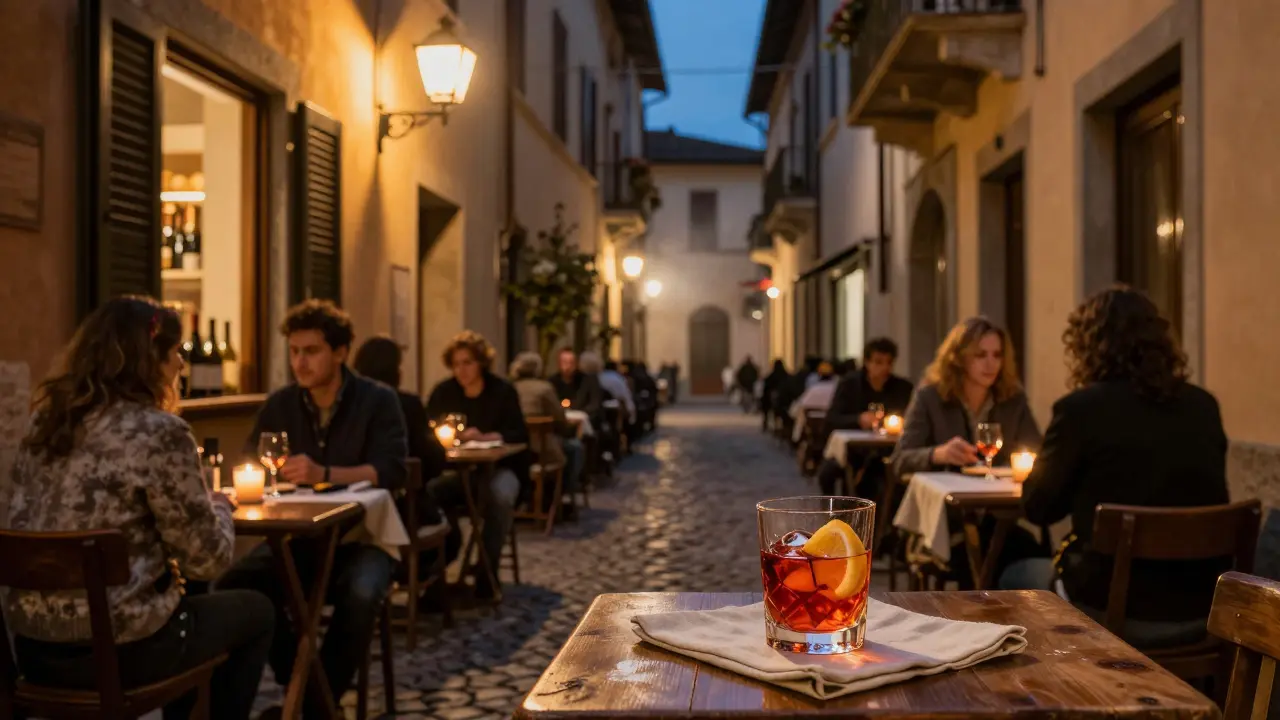
Forget one big party zone. Milan’s nightlife is split into distinct neighborhoods, each with its own rhythm. Start in Brera, the artistic heart. Here, narrow cobblestone streets hide intimate wine bars with candlelit tables and live jazz. It’s where locals unwind after work, sipping Amarone or Negronis, talking over plates of cured meats. No bass drops. No bouncers. Just good conversation and slow nights.Head east to Porta Venezia, and the energy shifts. This is where expats, students, and creatives gather. Think craft cocktails, themed pop-ups, and open-air bars with string lights. On weekends, the sidewalks fill with people in vintage gear, dancing to indie disco or Italian indie rock. It’s the kind of place where you’ll meet someone from Berlin, Sydney, or Bogotá-all in one night.
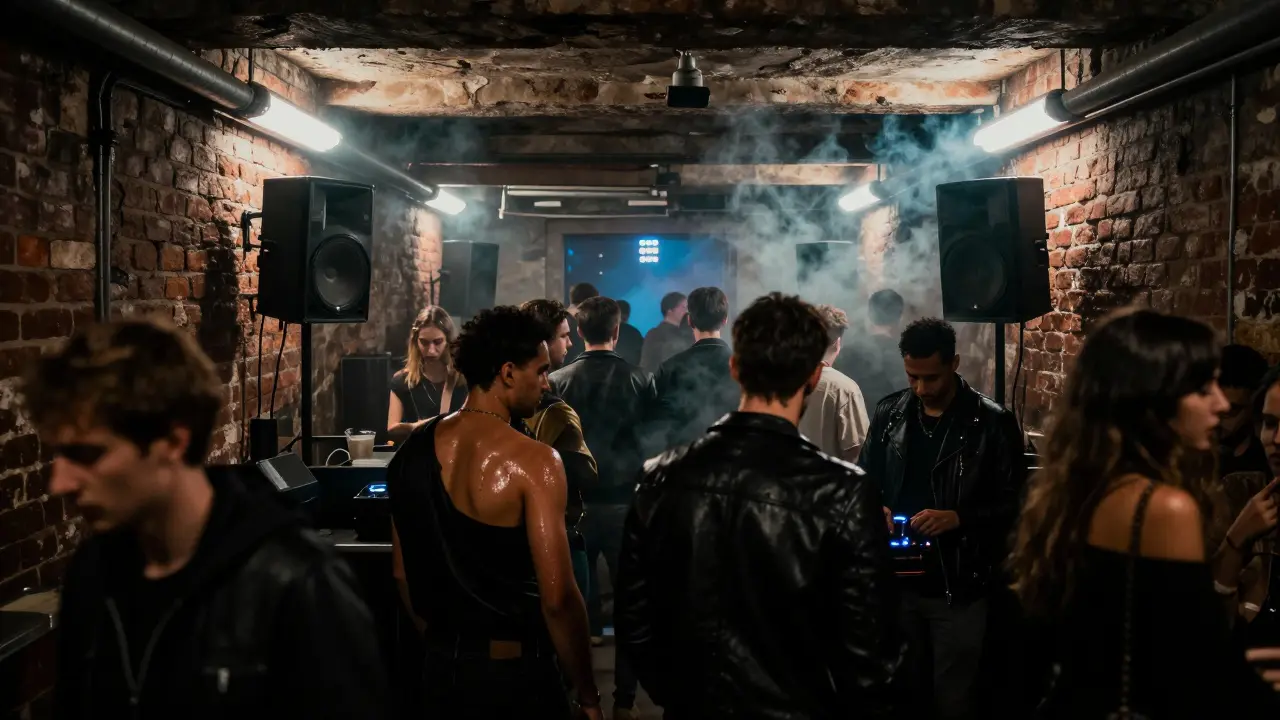
Then there’s Zona Tortona, once an industrial zone, now a hub for underground clubs. This is where Milan’s real party culture lives. The venues here don’t advertise. You find them through word-of-mouth, Instagram stories, or a friend’s DM. Some are hidden behind unmarked doors. Others are in converted warehouses with exposed brick and industrial lighting. Bass hits hard here. The music? Think techno, house, and experimental beats. No tourists. No velvet ropes. Just pure, unfiltered energy.
And then, of course, there’s Corso Como. The name sounds fancy-and it is. This is Milan’s answer to Ibiza’s beach clubs, but with a Milanese twist. The crowd here is polished: models, influencers, art collectors. The drinks? Over €20. The music? International DJs spinning from 11 PM until sunrise. It’s not cheap. But if you want to see what Milan’s elite do on a Saturday night, this is ground zero.
The Clubs That Define the Scene
Not all clubs in Milan are created equal. Some are temples of sound. Others are social rituals. Here are the three that actually matter.La Scala Club isn’t named after the opera house by accident. It’s a temple of electronic music, tucked beneath a historic building near Piazza Sant’Ambrogio. The sound system? Built by a former engineer from Berlin. The crowd? Serious. No phones on the dance floor. No talking over the music. You come here to lose yourself in a 6-hour techno set. It opens at midnight and doesn’t close until 7 AM. No one leaves until the last beat fades.
Capo Nord is the rebel. Located in a former garage in the Navigli district, it’s been running since 2010. The walls are covered in graffiti. The bar serves cheap beer and homemade limoncello. The music? A mix of Italo-disco, funk, and forgotten 80s Italian pop. It’s the only place in Milan where you’ll hear a 1984 Gianna Nannini track followed by a 2024 deep house remix. Locals swear it’s the soul of the city’s underground.
Magazzini Generali is the wildcard. It’s not a club. It’s a cultural space that turns into a party after 10 PM. Think art installations, live painters, and DJs spinning vinyl from a rotating crate. The crowd? Mixed. Designers, philosophers, street artists. The dress code? Whatever you want. Some wear suits. Others show up in sweatpants. It’s the only place in Milan where you can dance next to someone who just presented a thesis on postmodern architecture.
What You Won’t Find in Milan Nightlife
Let’s clear up some myths.No, you won’t find giant American-style nightclubs with bottle service lines and VIP sections that cost €500. Milan doesn’t do that. The city’s nightlife is too smart for that.
No, you won’t see 20-year-olds in matching outfits doing TikTok dances in front of bouncers. That’s not Milan. Milan’s party scene values authenticity over aesthetics.
And no, you won’t find open bars until 3 AM. Most clubs shut down by 2:30 AM. The reason? Italian law. And Milanese respect for it. You don’t get wasted here-you get immersed.
The Rules You Can’t Ignore
If you want to move through Milan’s nightlife like a local, here’s what you need to know.- Dress smart, but not flashy. Think tailored jeans, a well-fitted jacket, clean sneakers. No baseball caps. No flip-flops. No logos screaming “I’m a tourist.”
- Arrive after midnight. Show up at 10 PM and you’ll be the only one there. The real crowd doesn’t stir until 12:30 AM.
- Bring cash. Many smaller clubs don’t take cards. Especially in Zona Tortona and Navigli.
- Don’t ask for the “best club.” That question makes locals cringe. Ask: “Where are you going tonight?” That’s how you get real recommendations.
- Respect the silence. In Brera and Porta Venezia, loud phone calls or drunken shouting get you asked to leave. Fast.
When to Go-And When to Skip
Milan’s nightlife changes with the seasons.Summer (June-August): The city empties out. Many locals leave for the coast. But the clubs? They’re still open. Navigli turns into a riverside party zone. Outdoor bars with chilled Aperol spritzes and live acoustic sets. It’s peaceful. Magical.
Winter (December-February): Cold, yes. But the energy? It’s intense. The indoor clubs are packed. People are desperate for warmth and rhythm. This is when La Scala Club and Capo Nord hit their peak. And if you’re lucky, you’ll catch a surprise pop-up in a basement near Via Tortona.
Spring and Fall: These are the sweet spots. Mild weather. Crowds are lively but not overwhelming. The best time to explore multiple districts in one night.
And skip Milan in early January. Most places are closed. The city is quiet. Even the bars are on holiday.
What Happens After the Music Stops
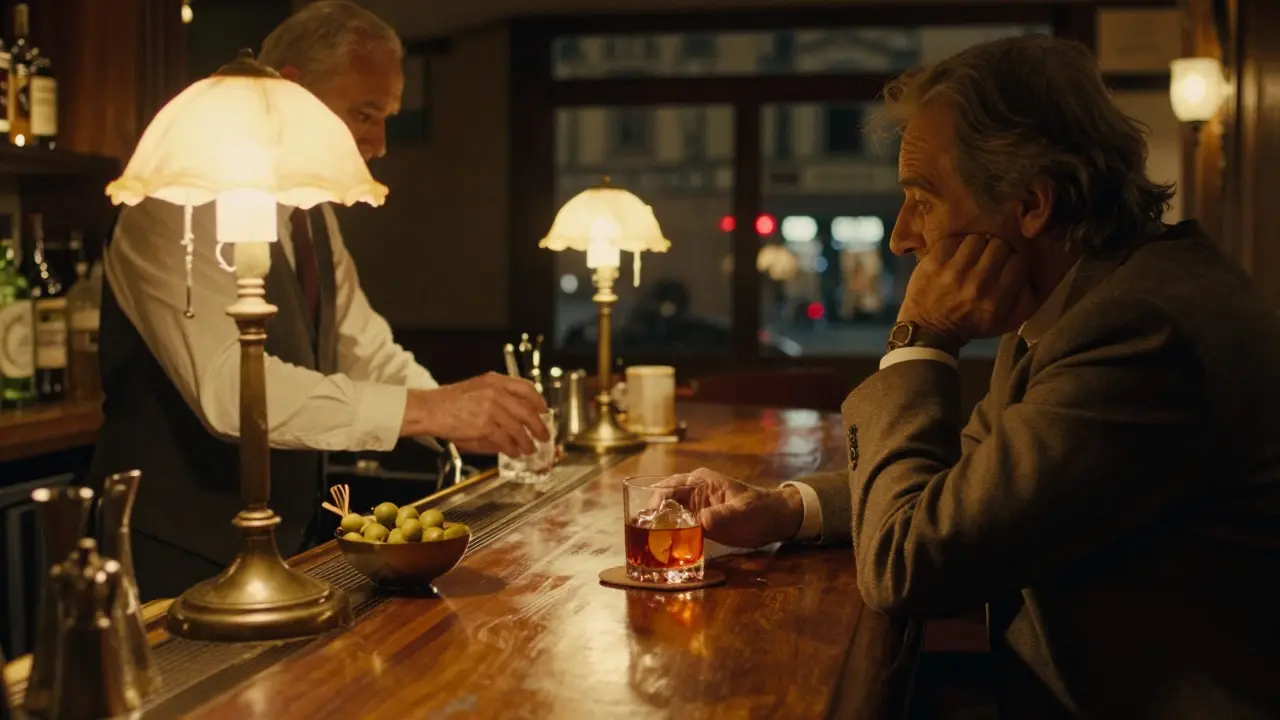
The party doesn’t end when the club closes. It moves.At 3 AM, head to Bar Basso in the Brera district. It’s been open since 1954. The bartenders make the original Negroni. The lights are dim. The chairs are worn. No music. Just the clink of ice and low voices. It’s where you end the night-not with a bang, but with a whisper.
Or, if you’re still wired, walk to Bar del Fico in the Porta Venezia area. They serve espresso martinis until 5 AM. The coffee is strong. The vibe is sleepy but warm. It’s the perfect antidote to a night of dancing.
And if you’re still hungry? Trattoria da Giacomo opens at 4 AM. They make handmade pasta with truffle butter. No menu. Just what’s fresh. Locals know. Tourists don’t. You’ll be the only one there with a still-dirty dress or a torn jacket. And you’ll feel like you belong.
Why Milan’s Nightlife Feels Different
It’s not about the music. Or the drinks. Or even the location.Milan’s nightlife works because it’s deeply personal. People don’t go out to be seen. They go out to feel something. To connect. To escape. To remember who they are when the world isn’t watching.
There’s no pressure to perform. No need to impress. You can be quiet. You can be loud. You can dance like no one’s watching-even if they are.
That’s the real magic. Not the neon lights. Not the VIP tables. But the quiet moments between beats. The laughter in a back alley. The stranger who buys you a drink because you looked lost. The bartender who remembers your name after one visit.
Milan doesn’t throw parties. It hosts experiences. And if you let it, it’ll change how you see night itself.
What’s the best time to visit Milan for nightlife?
Spring (April-May) and fall (September-October) are ideal. The weather is mild, crowds are lively but not overwhelming, and most venues are fully operational. Summer has outdoor parties, but many locals are away. Winter is intense indoors, but cold. Avoid January-it’s quiet.
Is Milan nightlife expensive?
It depends. Upscale spots like Corso Como charge €20+ for drinks and often have cover fees. But underground clubs like Capo Nord or Magazzini Generali charge €5-10 cover, if anything. Many bars in Brera and Porta Venezia have no cover at all. You can have a full night out for €30 if you skip the fancy spots.
Do I need to speak Italian to enjoy Milan’s nightlife?
Not at all. English is widely spoken in clubs and bars, especially in Porta Venezia and Zona Tortona. But learning a few phrases-"Un bicchiere di vino, grazie," or "Dove si balla stanotte?"-goes a long way. Locals appreciate the effort.
Are there age restrictions in Milan clubs?
Yes. Most clubs require ID and enforce a minimum age of 18. Some upscale venues (like La Scala Club) may turn away anyone under 21. Always carry a passport or EU ID card. No exceptions.
Can I find vegan or alcohol-free options in Milan nightlife?
Absolutely. Many bars now offer craft non-alcoholic cocktails, especially in Porta Venezia and Brera. Vegan snacks are common too-think truffle arancini, vegan tiramisu, or chickpea crostini. Ask for "senza alcol" or "vegano"-you’ll be surprised how common it is.
What to Do Next
Start small. Pick one district-Brera or Porta Venezia-and wander after dark. Talk to the bartender. Ask where they’re going later. Follow the crowd. Don’t plan your night. Let it find you.If you’re ready to go deeper, head to Zona Tortona on a Friday. Find the unmarked door. Walk in. Don’t look around. Just move with the music. That’s when you’ll understand why Milan doesn’t just have nightlife. It breathes it.

Write a comment