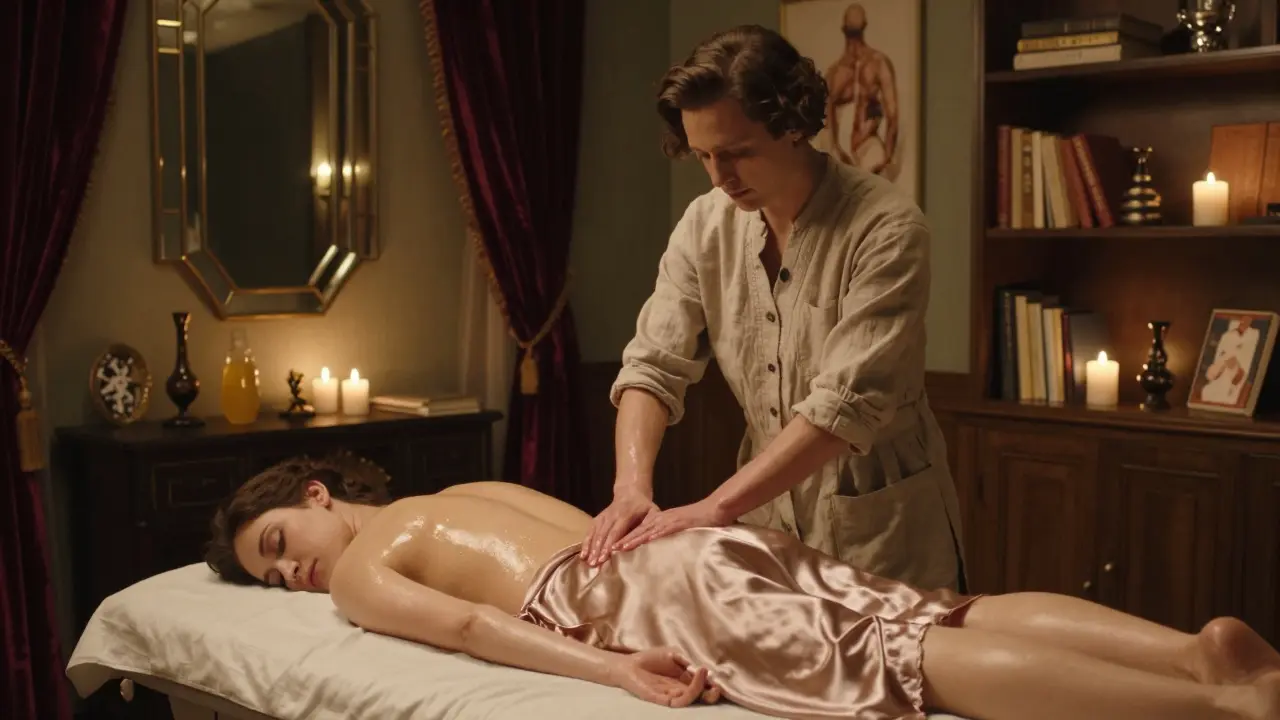
Sex massage in Berlin isn’t just a service-it’s a cultural artifact shaped by decades of shifting social norms, political upheaval, and evolving ideas about pleasure, health, and the body. If you’ve ever wondered how a practice often misunderstood as purely sexual became a recognized part of Berlin’s wellness landscape, the answer lies in the city’s turbulent past and its unique relationship with freedom, sexuality, and personal autonomy.
Early Roots: From Victorian Restraint to Weimar Liberation
Before Berlin became known for its open-mindedness, the early 1900s were a time of strict moral codes. But even then, underground practices existed. In the late 19th century, German physicians like Dr. Magnus Hirschfeld-a pioneering sexologist-began advocating for bodywork as a form of therapeutic touch. Hirschfeld’s Institute for Sexual Science, founded in 1919, was one of the first places in the world to study human sexuality scientifically. While not offering sex massage per se, the institute normalized conversations about touch, intimacy, and bodily autonomy.
By the 1920s, Berlin was the epicenter of European nightlife and sexual experimentation. Erotic massage parlors, often disguised as beauty salons or wellness centers, began appearing in districts like Schöneberg and Kreuzberg. These weren’t just places for sex-they were spaces where people explored touch without shame. Massage therapists, many trained in Swedish or therapeutic techniques, began incorporating sensual elements into their sessions. It was common for clients to request deeper relaxation, longer sessions, and more intimate contact. The line between medical therapy and sensual pleasure blurred, and that ambiguity became a defining feature of Berlin’s approach.
Nazi Suppression and the Long Silence
All of that changed in 1933. The Nazi regime shut down Hirschfeld’s institute, burned its archives, and criminalized any public expression of non-heteronormative sexuality. Erotic massage was labeled degenerate. Practitioners were arrested, and records were destroyed. For over a decade, any trace of sensual bodywork vanished from public view. Even after the war, the stigma lingered. In East Germany, state-controlled health systems prioritized physical rehabilitation over pleasure. In West Germany, conservative values dominated. Sex massage didn’t disappear, but it went underground-hidden in private apartments, back rooms, and whispered recommendations.
Rebirth in the 1980s and 1990s: From Counterculture to Acceptance
The real turning point came after the fall of the Berlin Wall. In the early 1990s, Berlin became a magnet for artists, activists, and free thinkers from around the world. The city’s abandoned buildings turned into squats, galleries, and alternative wellness spaces. It was here that sex massage reemerged-not as a secret vice, but as a form of body liberation.
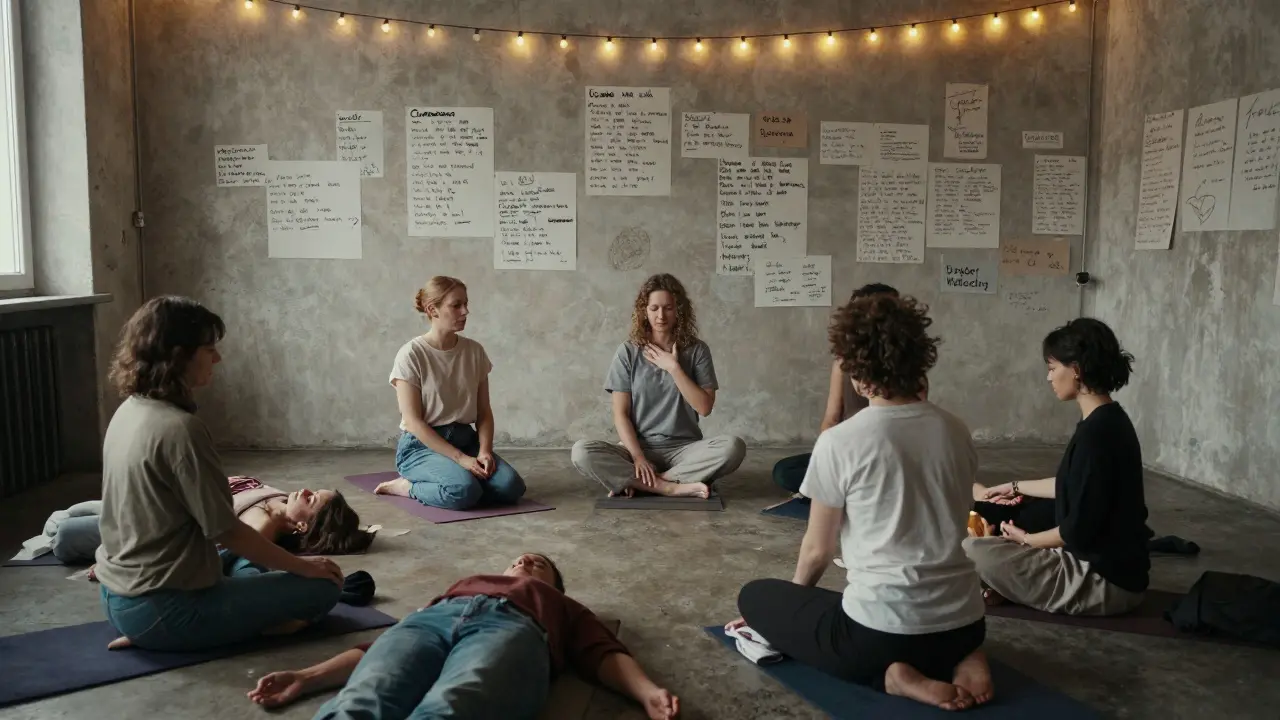
Groups like the Berlin Bodywork Collective began offering workshops on sensual touch, consent, and non-sexual intimacy. They taught techniques derived from Tantric practices, Thai massage, and somatic therapy. What made Berlin different was the emphasis on communication. Sessions weren’t about performance or climax-they were about presence. Clients learned to express needs, set boundaries, and experience touch without pressure. Therapists, many of whom had backgrounds in psychology or physical therapy, started documenting outcomes: reduced anxiety, improved body image, and deeper emotional connection.
By 1998, Berlin had its first licensed erotic massage studio, operating under the same legal framework as a spa. It wasn’t a brothel. It was a wellness center with clear rules: no intercourse, no nudity beyond what the client consents to, and full transparency about services. This model spread. Within five years, over 30 similar studios opened across the city, mostly in Prenzlauer Berg, Neukölln, and Charlottenburg.
Modern Berlin: Where Therapy Meets Touch
Today, sex massage in Berlin is regulated, documented, and increasingly studied. A 2023 survey by the Berlin Institute of Social Health found that 14% of residents aged 25-45 had tried an erotic massage at least once. The most common reasons? Stress relief (72%), improving body awareness (61%), and exploring intimacy without emotional commitment (48%).
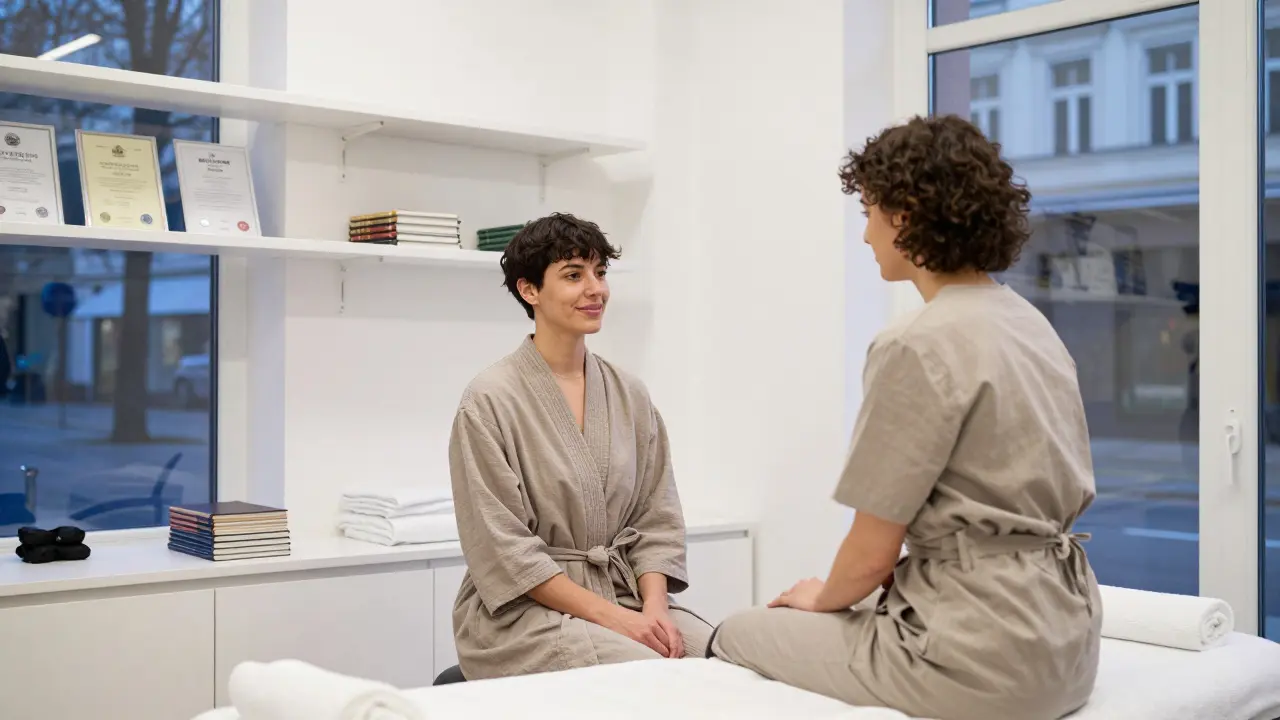
Modern practitioners don’t just offer touch-they offer education. Sessions typically begin with a 15-minute consultation. Therapists ask about your goals: Do you want relaxation? Release? Exploration? Some clients come after trauma. Others are curious. All are met without judgment. Techniques vary: some sessions focus on slow, full-body strokes using warm oils. Others incorporate breathwork, guided visualization, or light pressure along energy lines. The goal isn’t arousal-it’s awareness.
Unlike in other cities, Berlin’s erotic massage industry doesn’t rely on advertising sex. Instead, it markets emotional safety. Studios list their therapists’ certifications: some have backgrounds in physiotherapy, others in counseling or somatic experiencing. Many offer sliding scale fees. A 60-minute session typically costs between €60 and €120, depending on experience and location.
Myths vs. Reality
There’s a lot of misinformation. Let’s clear a few things up:
- Myth: Sex massage is just sex with a massage table. Reality: Most sessions don’t involve genital contact. Many clients never reach orgasm. The focus is on sensation, not release.
- Myth: It’s only for men. Reality: Women and non-binary clients make up nearly 45% of regular patrons. Many come specifically for the emotional space it creates.
- Myth: It’s illegal or unregulated. Reality: Erotic massage is legal as long as it doesn’t involve intercourse. Studios must register with the city, and therapists undergo background checks.
One of the most surprising findings? People who regularly receive erotic massage report higher levels of relationship satisfaction-even if they’re single. Why? Because they’ve learned to connect with their own bodies first.
What Makes Berlin Different?
Other cities have erotic massage. But few have made it part of the public conversation. In Berlin, you’ll find therapists giving talks at public libraries. You’ll see articles in Der Tagesspiegel and Zeit Online discussing the mental health benefits. Local universities offer courses on sensual touch as part of their psychology and social work programs.
It’s not about sex. It’s about reclaiming touch in a world that’s become increasingly distant. In a city that survived censorship, war, and division, sex massage became another form of resistance-not against morality, but against emotional isolation.
How to Find a Reputable Studio Today
If you’re curious, here’s how to navigate it safely:
- Look for studios with clear websites listing therapist qualifications, pricing, and service boundaries.
- Check reviews on trusted platforms like SpaFinder or local forums-avoid sites with only sexualized imagery.
- Call ahead. Ask about consent protocols and what a typical session includes.
- Start with a 60-minute session. Most places offer a first-time discount.
- Trust your gut. If something feels off, leave. No reputable studio will pressure you.
There’s no rush. Many people return only once a year-or never again. That’s okay. The point isn’t to become a regular. It’s to understand that your body deserves to be touched with care, not shame.
Is sex massage legal in Berlin?
Yes, erotic massage is legal in Berlin as long as no sexual intercourse occurs. It falls under the category of "sensual bodywork" and is regulated similarly to spas. Therapists must be registered, and studios must comply with hygiene and consent laws. The city enforces strict rules against any activity that crosses into prostitution.
Can I go to a sex massage session if I’m single?
Absolutely. In fact, most clients are single. Many come to reconnect with their bodies after trauma, stress, or long-term relationships. Therapists are trained to create a safe, non-judgmental space regardless of relationship status. Your personal life isn’t relevant-your comfort is.
Do I have to be naked during the session?
No. Full nudity is never required. Most clients keep their underwear on, and many prefer to stay fully clothed. The therapist will always ask your preferences before starting. You control what happens. No pressure, no expectations.
Are there male therapists for women clients?
Yes, and many women choose male therapists. Gender doesn’t determine the quality of the session. What matters is training, professionalism, and communication. Studios typically provide bios of their therapists so you can choose based on your comfort level. Some studios even offer same-gender pairing by request.
Can I use health insurance for sex massage in Berlin?
Generally, no. Erotic massage is not covered by public or private health insurance because it’s not classified as medical treatment. However, some private wellness plans or corporate benefits programs may reimburse sessions if they’re prescribed for stress-related conditions-this is rare but possible. Always check with your provider beforehand.

Write a comment