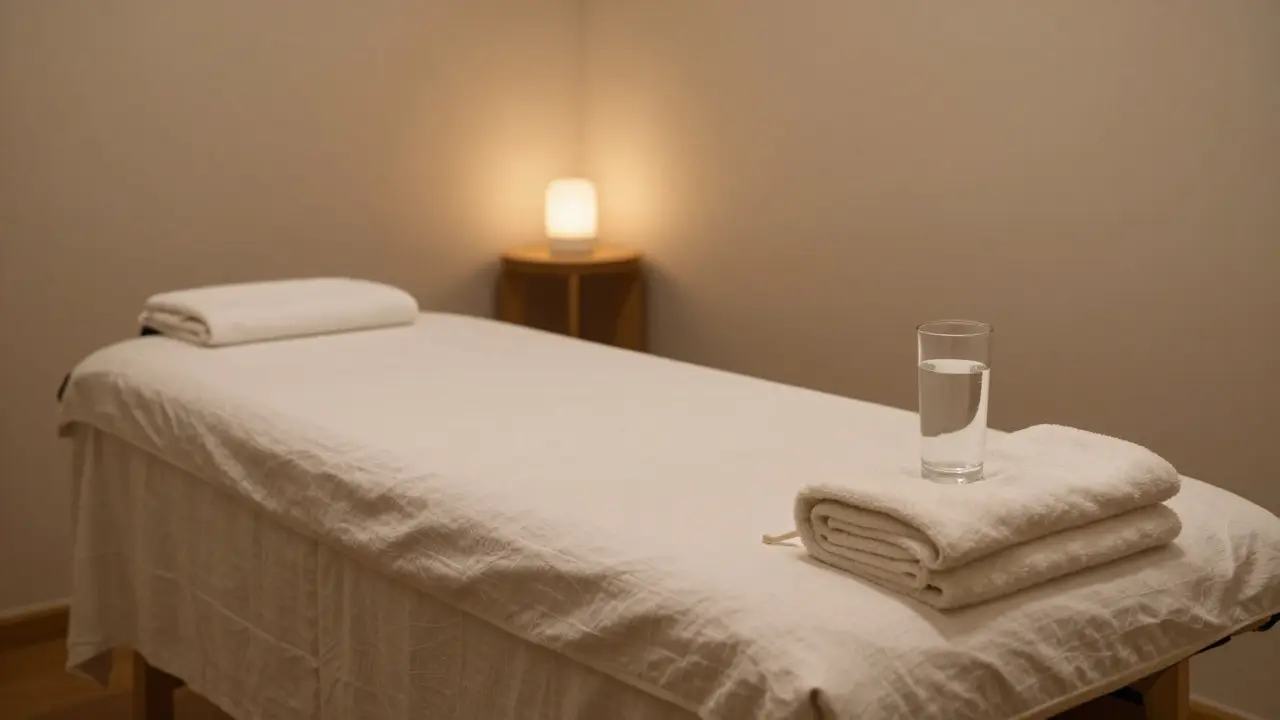
Choosing the right sex massage therapist in London isn’t about finding the cheapest option or the one with the most Instagram likes. It’s about safety, professionalism, and matching your personal needs-whether you’re seeking relaxation, emotional release, or simply a space to feel seen without judgment. Too many people end up disappointed, uncomfortable, or worse-exposed to unlicensed or unsafe operators. You don’t need to guess. You just need to know what to look for.
Understand What Sex Massage Actually Means
First, clear up the confusion. Sex massage in London doesn’t mean sex. It means sensual, full-body massage that includes genital stimulation as part of a therapeutic, consensual, and boundaries-driven experience. This is not prostitution. It’s a regulated form of adult wellness practiced by trained professionals who prioritize your physical and emotional comfort. In the UK, while there’s no specific license for sex massage, practitioners must follow health and safety laws, hygiene standards, and consent protocols. If someone says they offer "erotic services" without mentioning boundaries or aftercare, walk away.
Reputable therapists in London are trained in anatomy, consent frameworks, and somatic therapy. They understand how touch affects nervous systems. They don’t just move hands-they create space. Think of it like therapy with your body as the client, not your genitals as the product.
Check for Professional Credentials and Training
Anyone can call themselves a massage therapist. But only trained professionals have studied anatomy, physiology, and ethical practice. Look for therapists who list their training background: courses in sensual massage, somatic therapy, or bodywork from accredited schools like the London School of Erotic Massage or the Body Wisdom Institute. These aren’t just YouTube certifications-they’re 50+ hour programs with supervised practice.
Ask directly: "What training did you complete?" If they hesitate, give vague answers like "I learned from a friend," or refuse to answer, that’s a red flag. Legitimate practitioners are proud of their education. They’ll show you certificates or names of institutions. You wouldn’t trust a dentist without a license. Don’t trust a sex massage therapist without proof of training.
Verify Reviews-But Know How to Read Them
Google and Trustpilot reviews are helpful, but they’re also full of fake testimonials and paid endorsements. Look for patterns, not just star ratings. A therapist with 40 reviews saying "professional," "non-judgmental," and "clear boundaries" is more trustworthy than one with five glowing reviews that all sound like they were written by the same person.
Watch for mentions of aftercare. Real professionals don’t just end the session and hand you a towel. They offer water, quiet time, or a short check-in. They ask: "How are you feeling now?" That’s not a sales tactic-it’s emotional responsibility. If no one mentions aftercare, that’s a warning sign.
Avoid places with only photos of the therapist in lingerie. That’s marketing, not professionalism. Look for reviews that describe the environment: clean sheets, dim lighting, no distractions, no music with lyrics. These details matter more than how they dress.
Location and Environment Matter More Than You Think
A sex massage session should feel like a sanctuary, not a hotel room with a bed and a mirror. In London, the best practitioners operate from private, dedicated spaces-not Airbnb apartments, not back rooms of beauty salons, not unmarked flats in Tower Hamlets.
Look for studios with proper ventilation, soundproofing, and medical-grade cleaning protocols. They should use disposable sheets, sterilized tools, and have a separate entrance. Many reputable therapists list their exact address online (not just a neighborhood). If they only say "central London" or refuse to share the address until payment, that’s a major red flag.
London has a few trusted studios in areas like Notting Hill, Shoreditch, and Richmond. These places are registered as wellness centers. They’re not hidden. They’re quiet, intentional, and easy to find. If you feel nervous walking in, that’s normal. If you feel unsafe, leave.
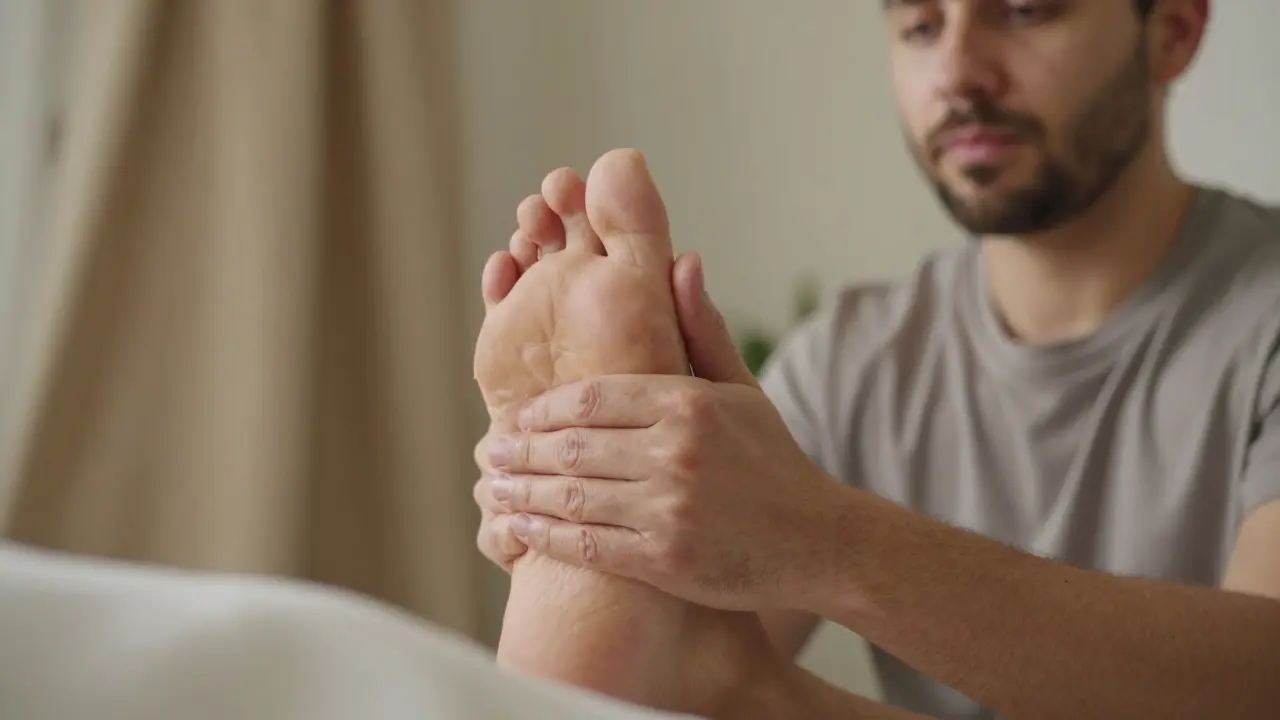
Communication Before the Session Is Non-Negotiable
Before you book, have a 10-15 minute call or message exchange. Ask these questions:
- What’s your process for setting boundaries?
- Do you use gloves or barriers during genital work?
- How do you handle emotional reactions during or after?
- Can I stop at any time, even mid-session?
Therapists who answer clearly, calmly, and without defensiveness are the ones you want. If they say things like "You’ll see when you get here" or "It’s different for everyone," that’s evasion. Real professionals give you the script before the show.
Also, ask about payment. Reputable therapists accept bank transfers or card payments through secure platforms like Stripe or PayPal. They don’t ask for cash on arrival or insist on Venmo. If they pressure you to pay upfront with no cancellation policy, that’s a scam.
Know Your Own Needs Before You Book
Not everyone wants the same thing. Some people need deep relaxation. Others want to heal from trauma. Some just want to feel pleasure without guilt. Before you book, ask yourself:
- Do I want touch that’s slow and meditative, or more direct and stimulating?
- Am I looking for emotional release, physical relief, or both?
- Do I need a therapist who speaks my language or understands my cultural background?
- Am I comfortable with a male, female, or non-binary practitioner?
There’s no right answer. But knowing your own needs helps you filter out mismatched therapists. A therapist who specializes in trauma recovery won’t be the best fit if you just want to unwind after work. And vice versa.
Trust Your Gut-Even If It’s Weird
Here’s something no one tells you: your body knows before your mind does. If something feels off during the booking process-too pushy, too vague, too eager to please-that’s not your imagination. It’s your nervous system picking up on subtle cues.
One client in Camden booked a session after a 30-minute chat. The therapist was sweet, professional, and had great reviews. But during the call, the therapist kept saying "I’m so excited for you to feel good" in a way that felt performative. The client canceled. Later, they found out the therapist had been reported for inappropriate comments to three other clients.
Don’t ignore that tiny voice. If you feel like you’re being sold something, not cared for, walk away. Your safety isn’t negotiable.
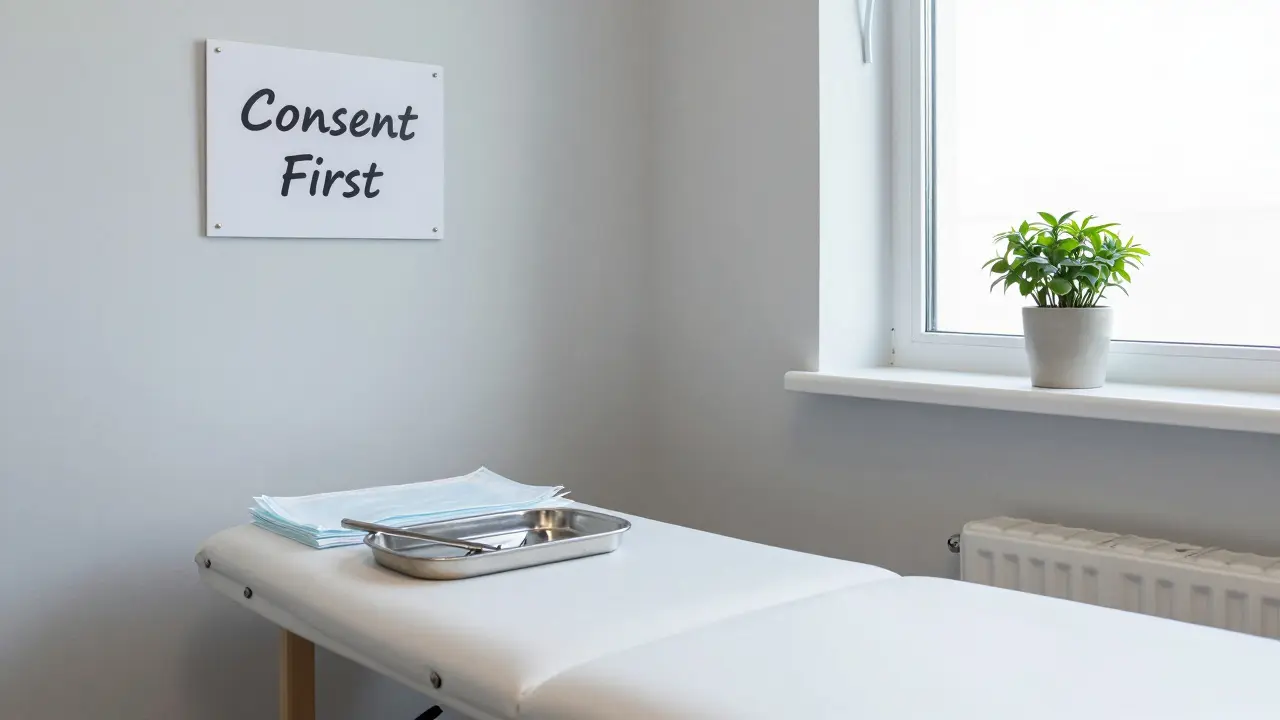
What to Expect During and After
A professional session lasts 60-90 minutes. It starts with a brief check-in. You’ll undress privately. The therapist will leave the room while you get settled under warm towels. The massage begins with full-body work-back, legs, arms, chest-before moving to sensitive areas, if you’ve agreed to it.
There’s no pressure. No expectations. You can say "no" to any part at any time. The therapist will pause, ask if you’re okay, and adjust. If they don’t, they’re not qualified.
Afterward, you’ll have time to rest. They’ll offer water. They won’t rush you. They might ask if you want to talk, or if you’d prefer silence. That’s it. No upsells. No next-session pressure. No photos. No contact info exchange unless you initiate it.
Red Flags You Can’t Ignore
- Asking for cash only
- Refusing to share their training background
- Operating from a residential address without a business license
- Using aggressive or sexualized language in messages
- Not offering a clear consent process
- Pressuring you to extend the session or book again
- Photos that focus on their body, not their space
If you see even one of these, stop. There are plenty of ethical practitioners in London. You don’t need to risk your safety for convenience.
Where to Start Your Search
Start with trusted directories like Adult Wellness London or The Sensual Body Collective. These aren’t random listings-they’re curated by professionals who vet each other. You can also ask for recommendations in private forums like r/SensualMassageUK on Reddit (moderated and verified). Avoid random Facebook groups or Telegram channels. They’re full of unvetted operators.
Book a 60-minute session first. Don’t go for a 2-hour package on your first try. See how you feel. If it’s right, you can return. If not, you’ve saved time, money, and emotional energy.
Remember: this isn’t a luxury service. It’s a form of self-care. And like any care, it deserves respect, boundaries, and clarity.
Is sex massage legal in London?
Yes, sensual massage is legal in London as long as it doesn’t involve sexual intercourse or exchange of money for sex. Practitioners must follow health and safety regulations, maintain hygiene standards, and obtain consent. Many operate as registered wellness businesses. However, any service that crosses into prostitution is illegal. Legitimate therapists avoid anything that could be misconstrued as sexual services.
How much does a professional sex massage cost in London?
Prices range from £80 to £180 for a 60-minute session, depending on experience, location, and session length. Therapists with advanced training or specialized techniques (like trauma-informed or tantric approaches) may charge more. Avoid anyone charging under £60-this usually indicates lack of training or unethical practices. Always confirm pricing before booking.
Can I bring a friend or partner to the session?
No. Professional sex massage is a private, individual experience. Most reputable therapists do not allow observers or partners in the room. This protects your privacy and ensures consent is fully yours. If someone offers a couples’ session, it’s likely not a legitimate therapeutic service.
Do I need to be naked during the massage?
You decide. Most sessions involve full nudity under a sheet for comfort and hygiene, but you can keep underwear on if you prefer. A professional therapist will never pressure you. Your comfort level is respected at every stage. If they insist on full nudity, that’s a red flag.
What if I feel emotional during the session?
It’s common. Touch can unlock stored emotions, especially if you’ve experienced trauma or repression. A trained therapist will pause, offer space, and check in with you. They won’t push you to talk, but they’ll be there if you want to. Aftercare includes quiet time, water, and gentle support-not rushing you out. Emotional release is part of the process, not a problem to fix.

Write a comment