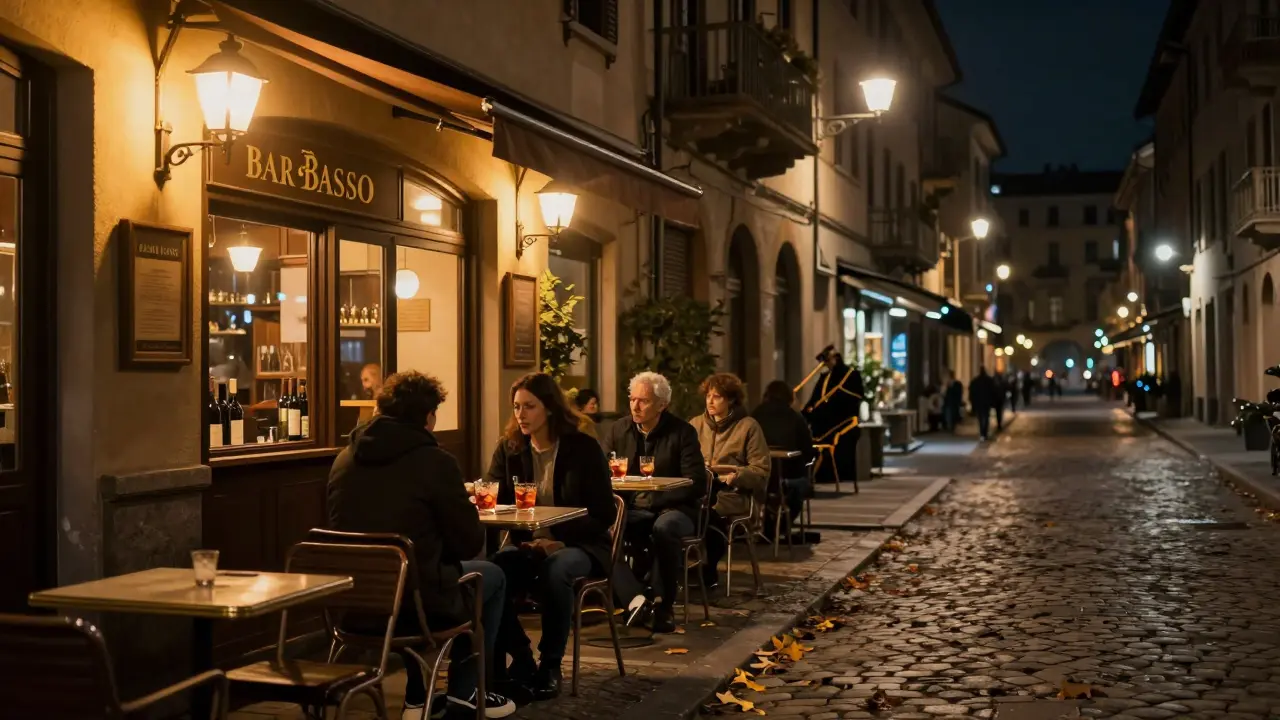
When the sun sets over Milan, the city doesn’t sleep-it switches modes. By 10 p.m., the designer boutiques on Via Montenapoleone close, but the real action is just starting. This isn’t just another European city with a few trendy bars. Milan’s nightlife is a high-energy mix of underground techno dens, rooftop lounges with skyline views, and historic wine bars where locals still sip Aperol at midnight. If you’re looking for more than just a drink, you’re in the right place.
Where the Locals Go: Navigating Milan’s Nightlife Zones
Milan doesn’t have one nightlife district-it has several, each with its own vibe. Start with Brera, the artsy heart of the city. It’s where you’ll find cozy wine bars like Bar Basso, famous for inventing the Negroni Sbagliato. The lighting is dim, the music is jazz, and the crowd is a mix of artists, architects, and older Milanese who’ve been coming here since the 90s. This isn’t a place to dance-it’s a place to talk, linger, and taste.
Head to Porta Ticinese after 11 p.m., and you’ll step into a completely different world. This former industrial zone is now a maze of narrow alleys packed with bars, live music venues, and late-night pizza joints. La Bitta is a local favorite for craft beer and vinyl nights. Bar Luce, designed by Wes Anderson, is Instagram-famous but still feels authentic. The crowd here is younger, looser, and ready to move from one spot to the next.
For serious clubbing, go to Zona Tortona. This is where Milan’s electronic music scene lives. The warehouses here host underground raves, often with no sign outside. You’ll need to follow Instagram accounts like @milanunderground or join Telegram groups to get the exact location. Don’t expect VIP tables or bottle service-this is about the music, the lights, and the pulse of the crowd.
The Top 5 Clubs You Can’t Miss
Not all clubs in Milan are created equal. Some are tourist traps. Others are legendary. Here are the five that actually matter.
- La Scala Club - Yes, it’s named after the opera house, but this isn’t opera night. It’s one of the few places in Milan where you’ll hear house, techno, and disco all in one night. The sound system is state-of-the-art, and the crowd is international. Doors open at 1 a.m., and it doesn’t empty until 6 a.m. Dress code? Black is mandatory. Jeans? Fine. Sneakers? Not unless you want to stand out.
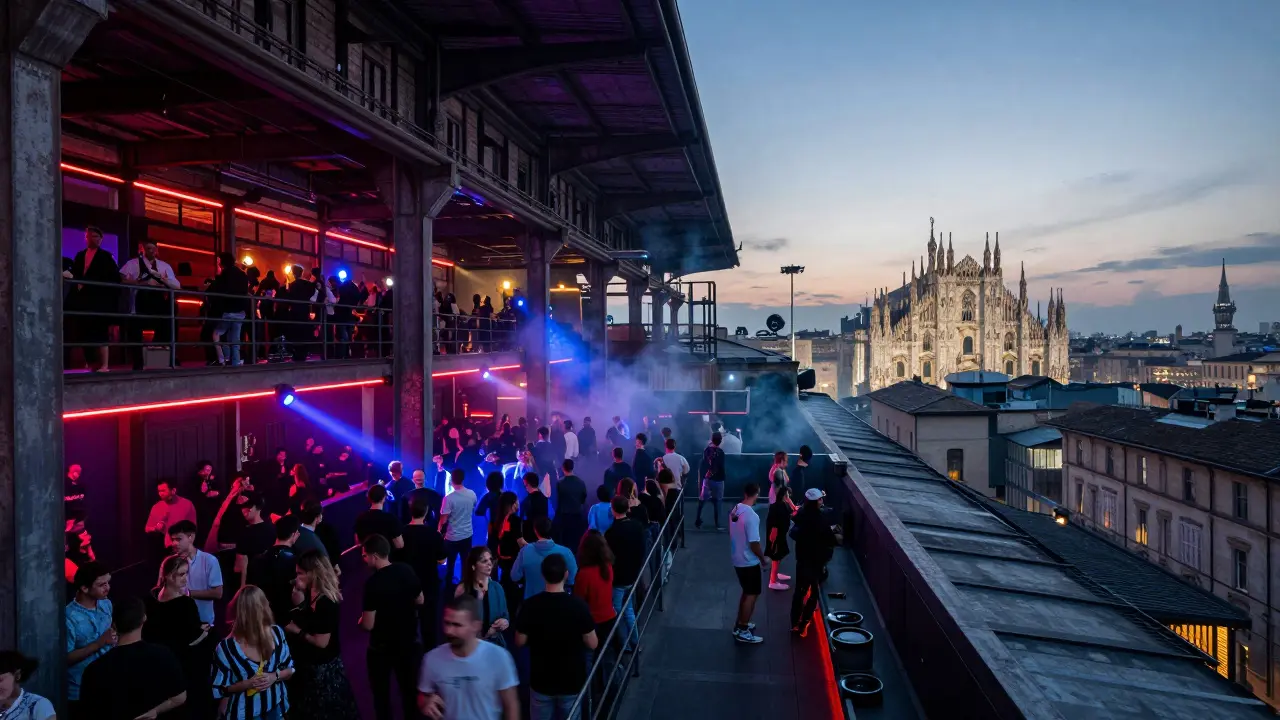
- Magazzini Generali - A converted 19th-century warehouse turned into a multi-room club. One floor is all bass-heavy techno, another is chill ambient, and the rooftop has panoramic views of the city. They host international DJs like Charlotte de Witte and Tale Of Us. Entry is €15 before midnight, €25 after. No reservations. Just show up.
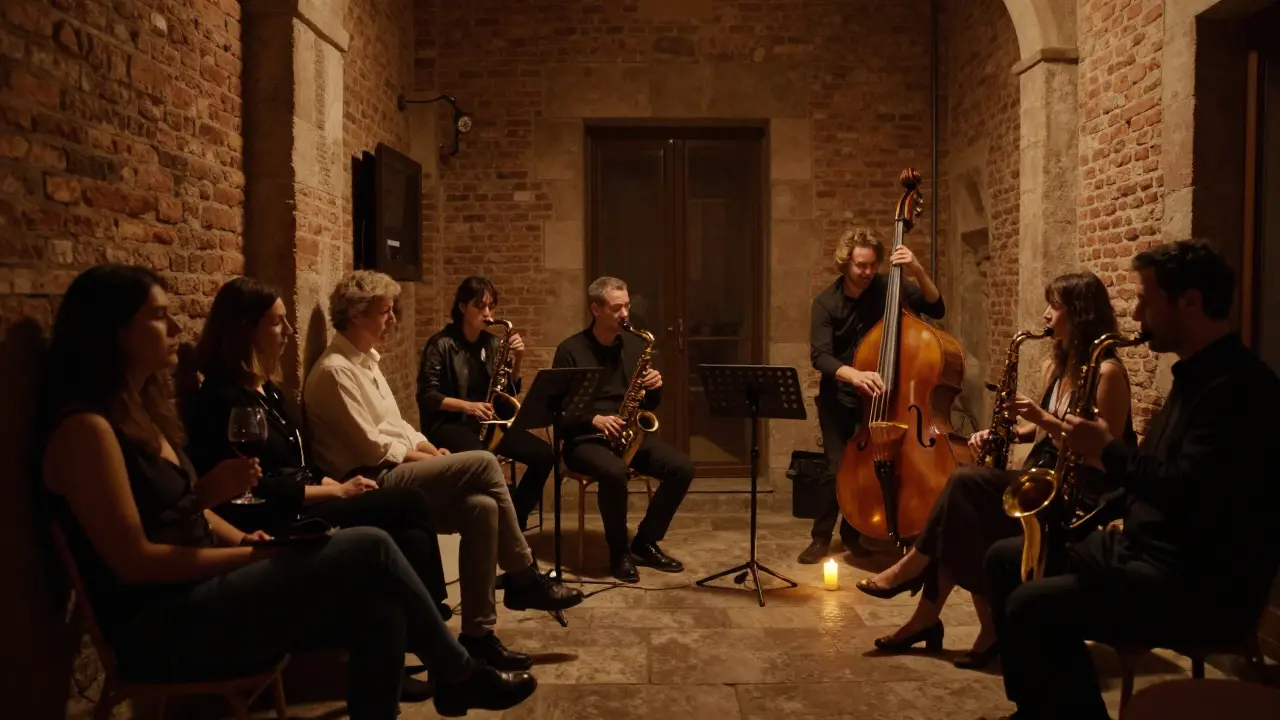
- Teatro del Silenzio - Hidden behind an unmarked door in a courtyard near Porta Venezia. You need to know someone-or at least know the password. Once inside, it’s a candlelit space with live jazz, soul, and neo-soul. No DJs. No strobes. Just a 3-piece band and a crowd that’s there to listen, not to post. It’s quiet, intimate, and unforgettable.
- Wu Ming - A cult favorite for fans of industrial and experimental electronic music. The walls are concrete, the floor is sticky, and the sound is loud enough to shake your ribs. It’s not for everyone, but if you’ve ever wanted to feel like you’re in a Berlin basement, this is your spot. Open only on weekends, and only after 1 a.m.
- Club 22 - The only place in Milan where you’ll find a mix of Italian pop, hip-hop, and EDM under one roof. It’s the go-to for Milan’s young professionals after work. The dress code is smart casual, and the energy is electric. It’s not underground, but it’s where the city’s social scene converges. Expect lines after 1 a.m.
Bars That Do More Than Serve Drinks
Bars in Milan aren’t just places to grab a cocktail-they’re experiences. Here are three that stand out.
- Bar Basso - The birthplace of the Negroni Sbagliato. This place has been around since 1955. The barman still makes drinks the same way he did in the 80s. No menus. Just ask for the classic. You’ll get a glass with a twist of orange, a splash of sparkling wine, and a shot of Campari. It’s €12, and it’s worth every euro.
- Chicco d’Uva - A wine bar that doubles as a music venue. They host live acoustic sets every Thursday and Friday. The wine list is all Italian, with rare bottles from Sicily and Friuli. The staff knows your name by the third visit. It’s the kind of place you’ll want to come back to, even if you’re just passing through.
- Albatros - A rooftop bar on the 12th floor of a 1930s building near the Duomo. The view of the cathedral at night is unreal. They serve gin cocktails with botanicals from the Lombardy region. The music is curated-think early 2000s indie rock and French house. It’s perfect for a date or a quiet end to the night.
What to Wear (And What Not To)
Milan is fashion-forward, but that doesn’t mean you need to look like a runway model. The key is effort, not expense.
In Brera and Porta Ticinese, dark jeans, a clean shirt, and decent shoes are enough. No hoodies, no flip-flops, no athletic wear. In the clubs-especially La Scala Club and Magazzini Generali-black is the uniform. A tailored blazer, leather boots, or a sleek dress will get you in faster than a flashy outfit. At Wu Ming and Teatro del Silenzio, comfort matters more than style. Wear what lets you move.
Women: Avoid overly flashy accessories. Milanese women favor minimalism. A single statement piece-a silver necklace, a pair of earrings-is better than a full glitter look.
Men: Skip the cologne. A subtle scent is fine. Too much smells like a tourist trying too hard.
When to Go and How to Avoid the Crowds
Friday and Saturday nights are packed. If you want to avoid lines, go on Thursday. Many clubs start late on Thursdays-1 a.m. or later-and the crowd is more relaxed. You’ll get better service, better music, and better vibes.
Also, don’t rely on Uber. Most clubs are in areas with limited pickup zones. Walk, take the metro (Line 1 and Line 2 run until 1:30 a.m. on weekends), or book a taxi in advance. Many bars in Porta Ticinese are within walking distance of each other. Plan your route before you go.
And skip the tourist traps near the Duomo. The bars there charge €18 for a gin and tonic and play Top 40 hits. You can get the same drink in Brera for €9 and hear something real.
What You Won’t Find in Milan’s Nightlife
There are no karaoke bars. No bachelor parties with inflatable bats. No dance floors with neon signs saying "WELCOME TO MILAN." This isn’t Ibiza. It’s not Las Vegas. Milan’s nightlife is about authenticity, music, and subtle style. If you’re looking for loud, cheap, and chaotic, you’ll be disappointed.
But if you want to feel like you’re part of something real-something that’s been going on for decades, quietly, beautifully-you’ll leave with memories that last longer than any Instagram story.
What time do clubs in Milan usually open?
Most clubs in Milan don’t open until 1 a.m. or later. Some, like La Scala Club and Magazzini Generali, don’t fill up until 2 a.m. The city’s nightlife runs late-many places stay open until 6 a.m. on weekends. Don’t show up at 10 p.m. expecting to dance. You’ll be the only one there.
Is there a dress code for Milan clubs?
Yes, and it’s strict at the top clubs. La Scala Club and Club 22 require black attire-no bright colors, no sneakers, no hoodies. Magazzini Generali is more relaxed but still expects smart casual. At underground spots like Wu Ming, comfort matters more than style. When in doubt, dress darker and cleaner than you think you need to.
Are Milan clubs expensive?
Cover charges range from €10 to €25, depending on the venue and time. Drinks cost €10-€15 for cocktails, €5-€8 for beer. It’s pricier than other Italian cities, but not as high as London or Paris. The value is in the experience-sound systems, lighting, and music quality are world-class. You’re paying for atmosphere, not just alcohol.
Can I get into clubs without a reservation?
Most clubs don’t take reservations. Entry is first-come, first-served. At popular spots like La Scala Club, expect a line after midnight. Arriving before 1 a.m. helps. Some exclusive venues like Teatro del Silenzio require an invitation or password. Follow local nightlife Instagram accounts for updates.
What’s the best night to go out in Milan?
Thursday nights are the sweet spot. The crowds are smaller, the energy is more relaxed, and the music is often better curated. Friday and Saturday are packed, especially at tourist-heavy spots. If you want the real Milan experience, skip the weekend rush and go midweek.

Write a comment