When the sun sets in Milan, the city doesn’t sleep - it switches gears.
Forget the daytime fashion shows and designer boutiques. After dark, Milan becomes a pulsing hub of music, cocktails, and late-night bites that draw locals and visitors alike. This isn’t just a city that has nightlife - it’s a city that lives for it. And if you want to experience it right, you need to know where to go, when to show up, and what to expect.
Brera: Where the Night Starts with a Glass of Prosecco
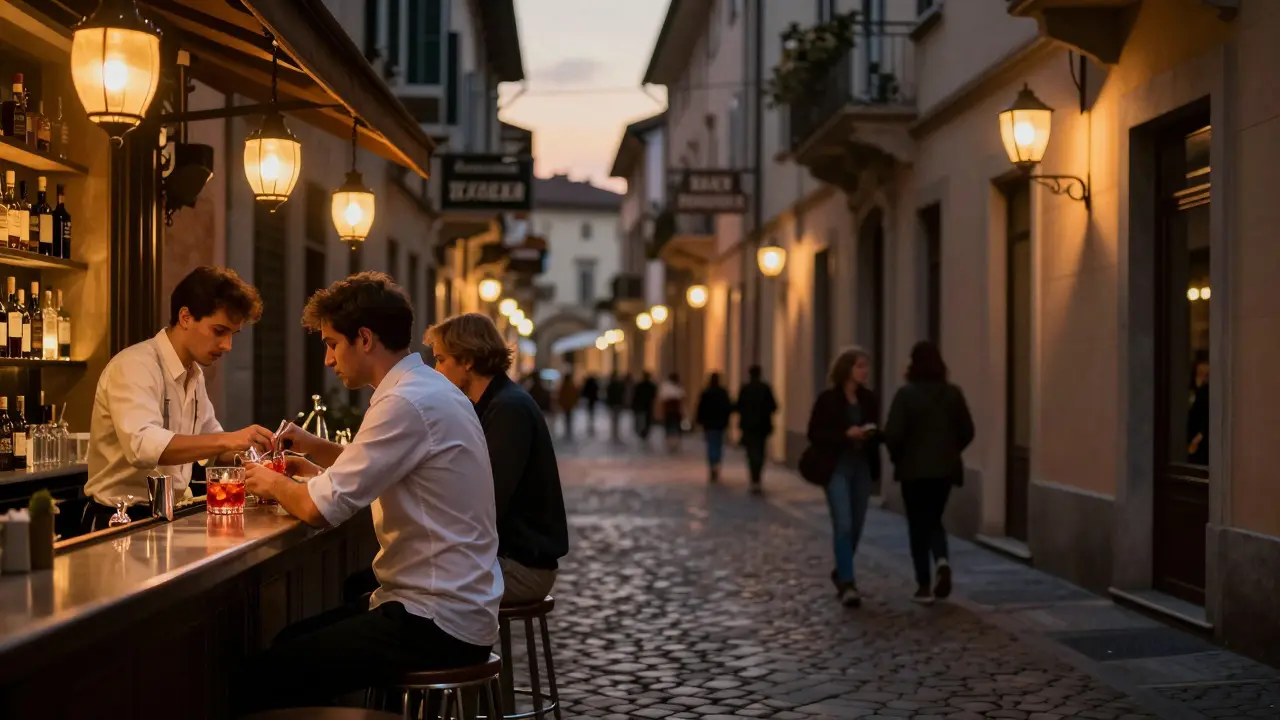
Brera is Milan’s most romantic neighborhood by day, but by night, it turns into a lounge-heavy playground for professionals, artists, and tourists who know how to sip slowly. The streets are narrow, the lights are dim, and the vibe is effortlessly cool. Start here if you want to ease into the night with aperitivo culture at its finest.
Head to Bar Basso - the birthplace of the Negroni Sbagliato. It’s not fancy, but it’s legendary. Order the drink, stand at the bar, and watch the mixologists work their magic. The crowd here is mixed: fashion editors, old-school Milanese, and curious travelers. Don’t expect loud music or dancing. This is about conversation, atmosphere, and a perfect cocktail.
Walk a few blocks to Il Gatto Nero for a more intimate setting. Their wine list is curated by a sommelier who actually knows what he’s talking about. Try a glass of Franciacorta - Italy’s answer to Champagne - with a plate of local cheeses. It’s the kind of place where you might stay for three hours without realizing it.
Navigli: Canals, Craft Beer, and Open-Air Vibes
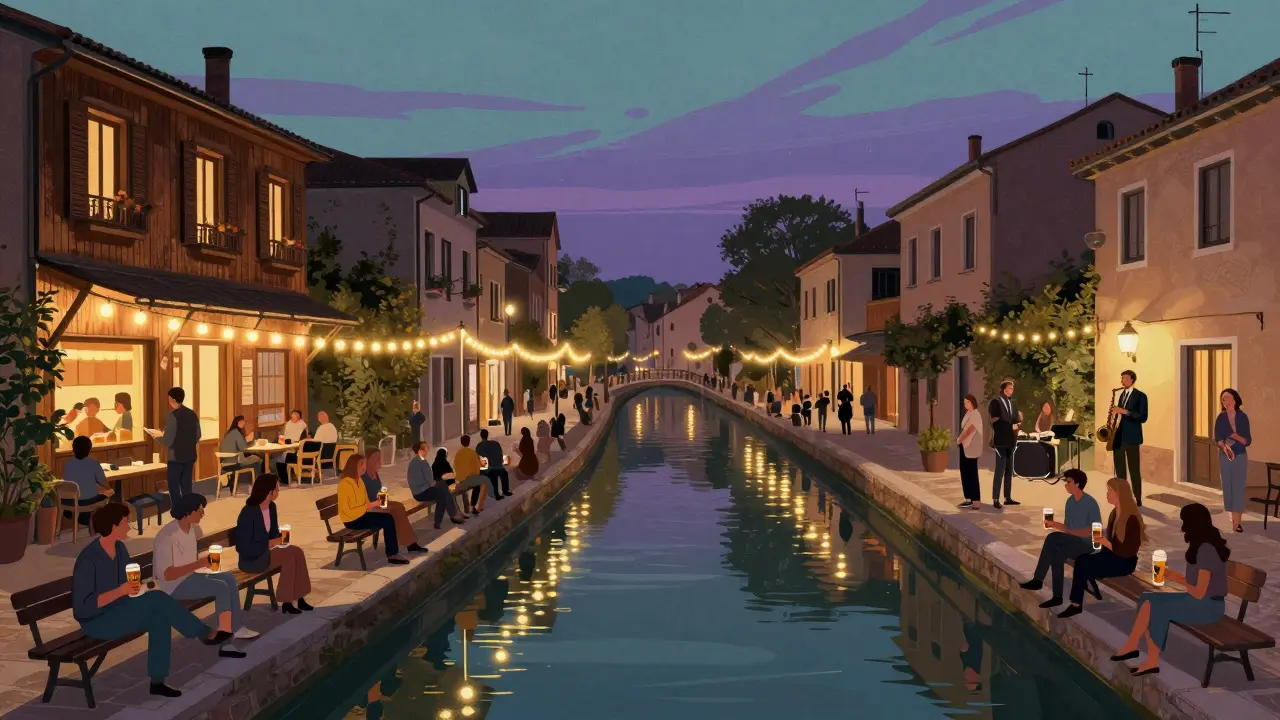
If you want to feel like you’re in a European film, head to Navigli. This canal district comes alive after 7 p.m., with hundreds of bars spilling onto the sidewalks, string lights overhead, and the sound of live jazz drifting from hidden courtyards.
Bar Basso Navigli (yes, they have a second location) is a favorite for its relaxed charm. But if you’re after craft beer, La Birreria del Naviglio is the spot. They serve over 50 Italian and international brews on tap, from hoppy IPAs to dark stouts. Their food menu is simple - cured meats, artisanal bread, and truffle cheese - but perfectly paired with their drinks.
On weekends, the area turns into a street party. Locals bring blankets and sit by the water. Tourists grab aperitivo trays and mingle. It’s chaotic, but in the best way. Arrive before 9 p.m. if you want a good spot. After that, you’re standing shoulder to shoulder with everyone else.
Porta Romana and Isola: The New Wave of Milanese Nightlife
Forget the old tourist traps. The real energy in Milan right now is in Porta Romana and Isola - two districts that used to be overlooked but are now buzzing with underground bars and late-night eateries.
In Isola, La Sirena is the place to be. It’s not a club. It’s not a bar. It’s a hybrid: a cocktail lounge by night, a jazz club on Fridays, and a hidden speakeasy behind a fridge door. You need to know the password - ask the bartender, and they’ll give it to you with a smile. The cocktails are inventive: think rosemary-infused gin with smoked salt, or a bourbon sour with black tea syrup. The music is always good - never too loud, never too quiet.
Down the street, Bar Luce (yes, the one inspired by Wes Anderson’s film) is still a must-visit. It’s a 1950s-style cafeteria with pastel booths, checkerboard floors, and espresso that tastes like it was brewed by a nonna. Open until 2 a.m., it’s perfect for a late-night snack: panzerotti, arancini, or a simple plate of mortadella with bread.
Clubs: Where Milan’s Nightlife Hits Its Peak
If you’re looking for dancing, bass-heavy beats, and a crowd that knows how to move, Milan’s club scene delivers - but only if you pick the right place.
Armani/Silos isn’t a traditional club - it’s an art space that turns into a party on Friday and Saturday nights. The DJ sets are curated by international names, and the crowd is fashion-forward but not pretentious. Entry is strict - no sneakers, no hoodies. But if you dress right, you’ll get in without a queue. The music ranges from deep house to techno, and the lighting is cinematic. It’s not for everyone, but if you want to feel like you’re in a luxury fashion ad, this is it.
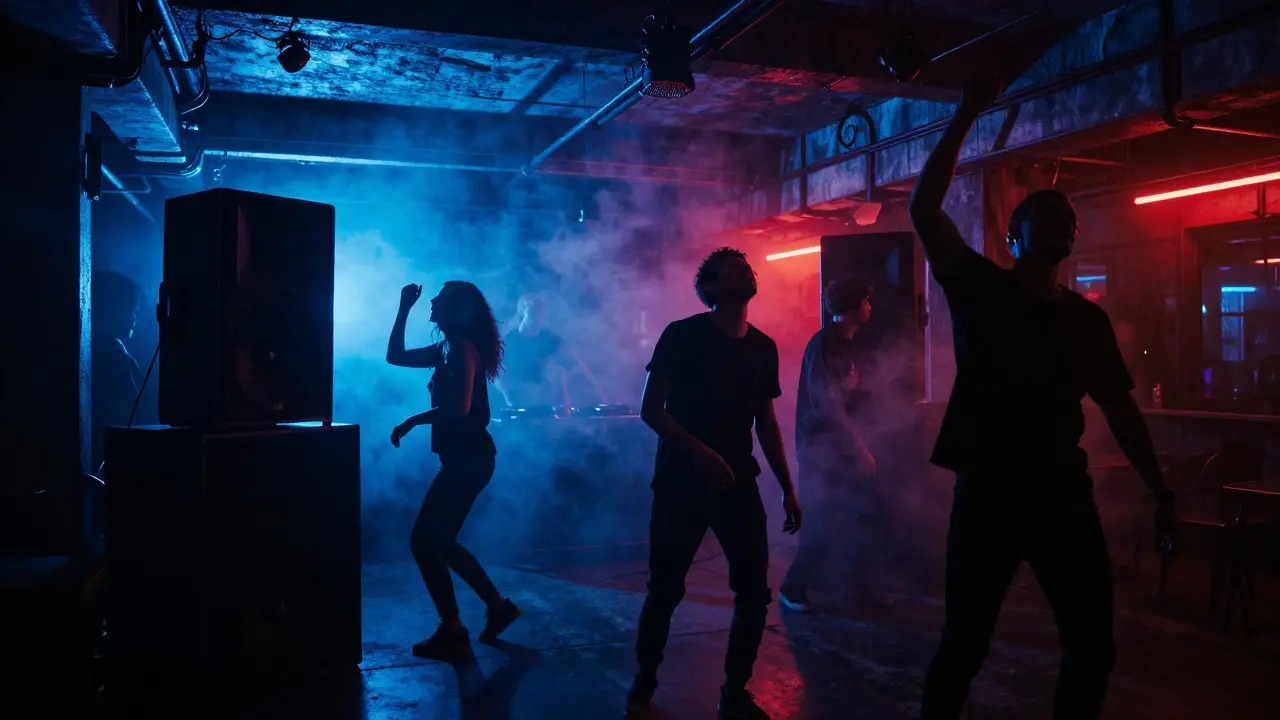
For a more underground vibe, Magazzini Generali is the answer. It’s a warehouse in the outskirts, accessible by a short metro ride. The sound system is world-class. The crowd? Mostly locals, some international DJs, and a few curious travelers who found it on Instagram. No VIP tables. No bottle service. Just music, sweat, and a lot of good vibes. Open until 6 a.m. on weekends.
Don’t miss Capo d’Africa - a tiny, unmarked club in the basement of a building near Porta Venezia. You won’t find it on Google Maps. You need a friend to take you. But once you’re inside, you’ll understand why it’s been called the “best kept secret in Europe.” The music is experimental: Afrobeat, disco, house, and everything in between. The bar serves only three drinks: gin and tonic, red wine, and water. That’s it. And that’s enough.
Late-Night Eats: When the Night Won’t End
After dancing, after cocktails, after the last song - you’ll be hungry. Milan doesn’t close at midnight. It just shifts.
Trattoria da Vittorio is open until 3 a.m. on weekends. It’s not glamorous. It’s a family-run spot with checkered tablecloths and handwritten menus. Their risotto alla milanese is creamy, saffron-rich, and served with a side of garlic bread. Order it. You’ll thank yourself at 2 a.m.
La Goccia is a 24-hour pizzeria in the Brera district. Their margherita is simple - San Marzano tomatoes, fresh mozzarella, basil - but perfect. You’ll find people in suits, tourists in jeans, and locals in pajamas all eating here at the same time. It’s the great equalizer.
If you’re feeling adventurous, try Il Caffè di Piazza - a late-night gelato bar that doubles as a cocktail spot after 11 p.m. Their black sesame gelato with sea salt and pistachio crunch is addictive. Pair it with a negroni and you’ve got the perfect end to a Milan night.
What to Know Before You Go
Milan’s nightlife isn’t like Barcelona or Berlin. It’s quieter, more refined, and a little more selective. Here’s what actually matters:
- Start late. No one shows up before 10 p.m. Aperitivo starts at 7, but the real action begins after 11.
- Dress well. Even in casual spots like Navigli, avoid shorts and flip-flops. Jeans and a nice shirt are the baseline.
- Bring cash. Many small bars and clubs still don’t take cards, especially in Isola and Porta Romana.
- Reservations matter. For Armani/Silos, Magazzini Generali, and La Sirena, book ahead. Walk-ins are often turned away.
- Don’t expect 24/7 parties. Milan shuts down by 5 a.m. Most clubs close by 3 a.m. Plan accordingly.
Final Tip: Follow the Locals
The best nightlife spots in Milan aren’t on Instagram. They’re not in guidebooks. They’re the ones where the bartenders know your name, the music is just right, and the crowd doesn’t care if you’re a tourist. Ask someone who lives here where they go after work. You’ll get a real answer. And that’s where the magic happens.
What’s the best time to visit Milan for nightlife?
The best months are April through June and September through October. The weather is pleasant, the crowds aren’t overwhelming, and the city feels alive without being packed. Summer (July-August) is hot and crowded, while winter nights are quieter - but still vibrant if you know where to go.
Is Milan nightlife safe for solo travelers?
Yes, Milan is one of the safest major cities in Italy for solo travelers at night. Stick to well-lit areas like Brera, Navigli, and Isola. Avoid walking alone in the industrial outskirts after midnight. Most bars and clubs have security, and locals are generally helpful if you look lost.
How much should I budget for a night out in Milan?
Aperitivo at a good bar costs €12-€18 and usually includes snacks. A cocktail runs €14-€20. Club entry is €10-€25, depending on the venue and night. Late-night food like pizza or risotto will be €10-€15. For a full night - drinks, entry, and food - plan for €60-€100 per person.
Do I need to speak Italian to enjoy Milan’s nightlife?
No, but it helps. Most bartenders and club staff speak English, especially in tourist areas. However, saying “Grazie” or “Un bicchiere di vino, per favore” goes a long way. Locals appreciate the effort - and sometimes reward it with a free appetizer.
Are there any age restrictions for clubs in Milan?
Most clubs require you to be 18 or older. Some upscale venues like Armani/Silos enforce a 21+ policy. Always carry ID - even if you look older, they’ll check. No exceptions.

Write a comment