Sex massage in London didn’t start as a hidden vice. It began as a quiet response to social repression, economic shifts, and the slow unraveling of Victorian morality. By the 1970s, what was once whispered about in back alleys had become a visible part of the city’s underground economy-part therapy, part transaction, always controversial.
Origins in the Shadow of Victorian Morality
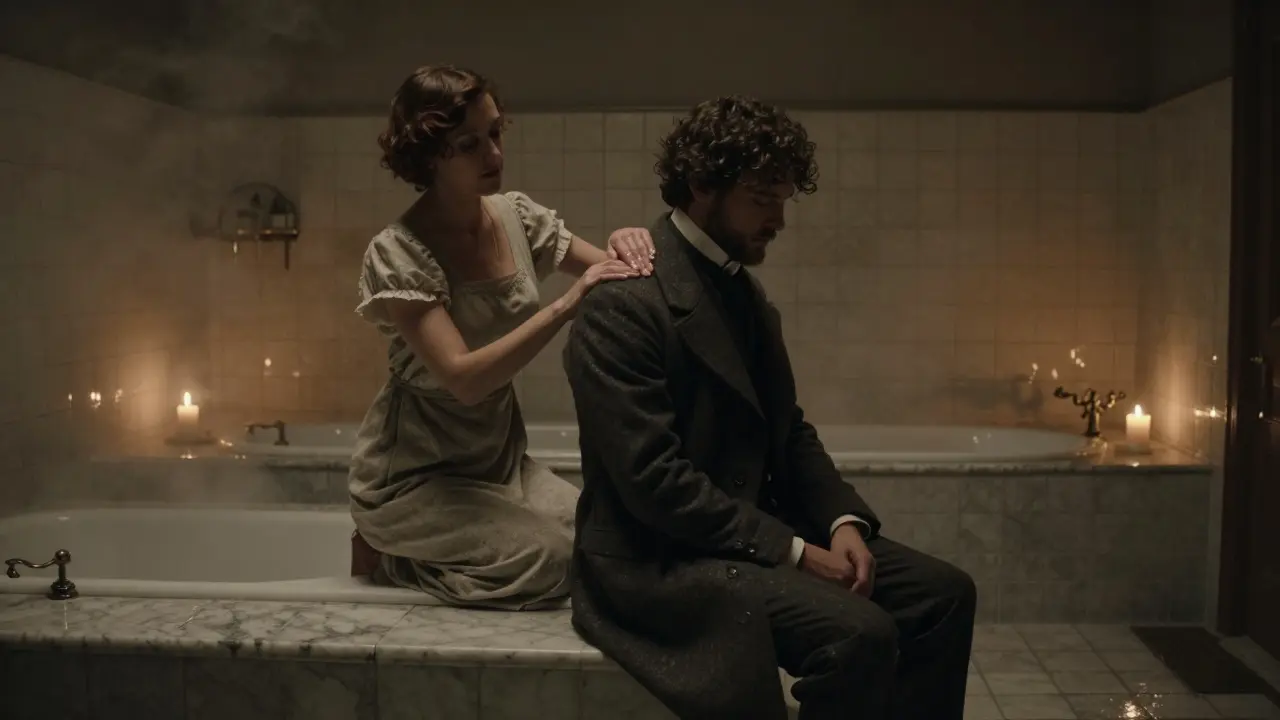
In the 1800s, London was a city of strict codes. Public displays of affection were frowned upon. Touching between strangers, especially across gender lines, was legally and socially dangerous. Yet demand for physical intimacy never disappeared. Wealthy men sought discreet services-often under the guise of "therapeutic" or "hydrotherapy"-where massage was used to relieve tension, but quickly became something more.
Early records from the Metropolitan Police show raids on "bathhouses" in Soho and Clerkenwell as early as 1862. These weren’t just about cleanliness. They were spaces where touch became currency. Women, often immigrants or widows with few options, offered massage alongside companionship. The line between relaxation and sex was thin, and authorities knew it. But enforcement was inconsistent. As long as doors stayed shut and payments were cash, many turned a blind eye.
Post-War Changes and the Rise of the Massage Parlor
After World War II, London’s social fabric began to loosen. Soldiers returned with new ideas about the body, sexuality, and personal freedom. The 1950s and 60s saw the emergence of the first true "massage parlors"-small shops with dim lighting, soft music, and a receptionist who asked no questions.
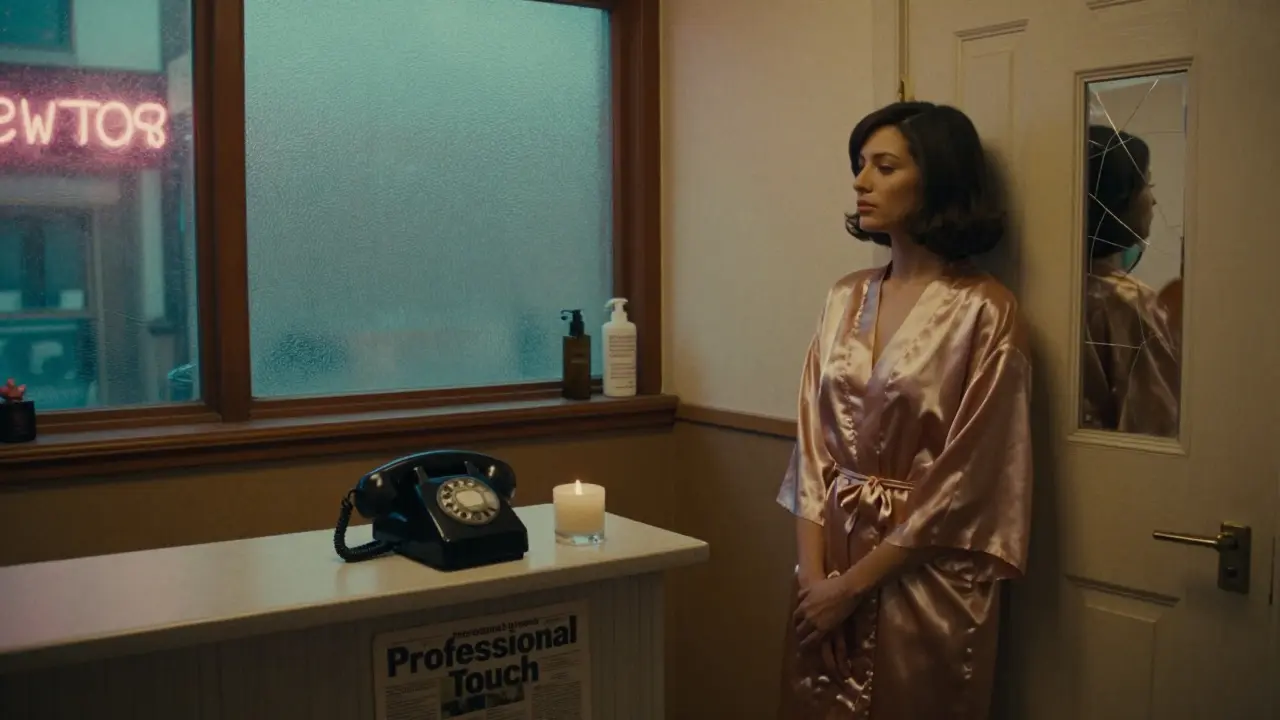
By 1971, the Sexual Offences Act had decriminalized private homosexual acts, and the cultural tide was shifting. Massage parlors began advertising "relaxation therapies" in underground newspapers. Ads in Time Out and London Life used coded language: "Professional touch," "Customized sessions," "Discreet service." Customers knew what they meant.
East London, particularly around Stepney and Whitechapel, became hubs. Many operators were Eastern European women who had migrated after the fall of the Iron Curtain. They brought techniques from Russia and Ukraine-deep tissue combined with sensual rhythm-that became standard in London’s best-known parlors. These weren’t just about sex; they were about control, presence, and emotional release. For many clients, it was the only place they felt truly seen.
The 1990s: Legal Gray Zones and Media Panic
The 1990s brought a crackdown. Tabloids like the News of the World ran front-page exposés titled "The Secret World of London’s Erotic Massage Parlors." Police raids increased. Dozens of businesses were shut down under the Prostitution (Public Places) Act 1999, which targeted "keeping a brothel"-a law written in 1885 and still in use.
But the industry adapted. Instead of fixed addresses, operators moved to residential flats, offering appointments by referral only. Payment shifted to digital wallets and prepaid cards. Some began calling themselves "sensual therapists" or "intimacy coaches," claiming certification from obscure European schools. A few even hired licensed physiotherapists to lend credibility.
One case in 2001 involved a former NHS nurse in Brixton who offered "therapeutic touch" sessions. She was acquitted after a judge ruled there was no evidence of prostitution-only consensual adult interaction. That ruling became a quiet precedent. If no explicit sexual acts occurred, and no money changed hands for intercourse, the law struggled to intervene.
2010s to Today: Digitalization and Normalization
By 2015, apps like Tinder and Grindr had changed how people met. But for those seeking more than a hookup, a new kind of service emerged: premium sex massage. These weren’t hidden anymore. They were listed on websites with professional photos, detailed service menus, and verified reviews.
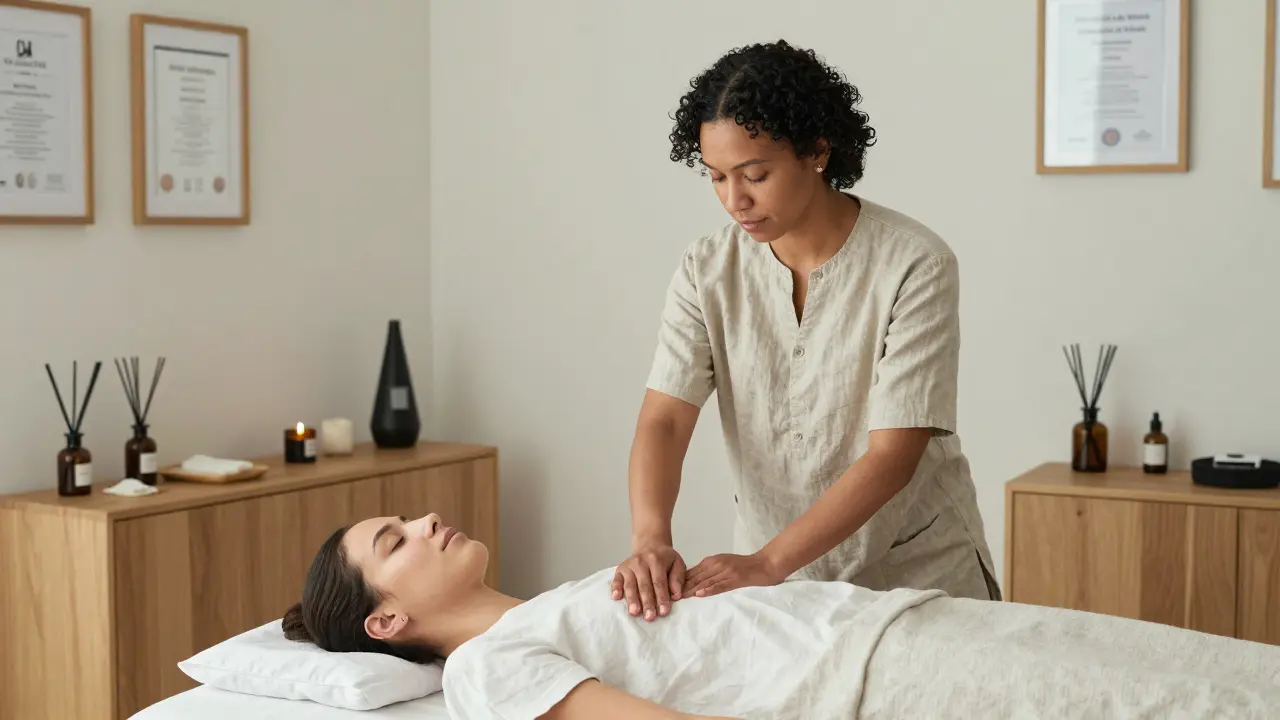
Companies like London Sensual Wellness and Elite Touch London began operating openly in areas like Mayfair and Knightsbridge. They offered 60-, 90-, and 120-minute sessions with licensed practitioners. Prices ranged from £150 to £500. Services included aromatherapy, hot stone massage, tantric breathing, and full-body contact-all legally framed as "non-penetrative intimacy experiences."
What made this different from the past? Transparency. Clients could read practitioner bios, see training certificates, and even schedule consultations. Many practitioners had backgrounds in psychology, nursing, or holistic health. One therapist in Camden told The Guardian in 2020: "I’m not selling sex. I’m selling presence. Most men here haven’t been touched with care in years."
Regulation remains patchy. The UK has no national licensing for erotic massage. Local councils can shut down premises if they’re deemed "public nuisances," but enforcement varies wildly. Westminster bans massage parlors outright. Camden allows them with strict zoning rules. In Wandsworth, they’re tolerated if they don’t advertise.
Why It’s Still Controversial
Opponents argue that sex massage normalizes the commodification of bodies, especially women’s. Critics point to trafficking cases linked to unregulated parlors. In 2022, a Home Office report found 14% of identified trafficking victims in London’s adult sector had been forced into massage work.
But defenders say the stigma hurts those who choose this work. Many practitioners are single mothers, refugees, or survivors of abuse who found autonomy here. One former worker, now a union organizer, said: "I made more in one month than I did in two years as a cleaner. I set my hours. I chose my clients. No one told me how to dress or what to say."
The real issue isn’t the massage itself-it’s the lack of legal protection. Without regulation, workers can’t report abuse. Clients can’t verify safety. The industry exists in a legal void, where the law punishes the symptom, not the cause.
The Future: Therapy, Not Taboo
There are signs the tide is turning. In 2024, a pilot program in Islington began training massage therapists in trauma-informed touch. The city partnered with mental health charities to offer subsidized sessions for veterans and survivors of domestic violence. The goal? To reframe sex massage not as vice, but as a form of somatic therapy.
Some clinics now offer "intimacy wellness" packages that include counseling, boundary setting, and aftercare. The demand is growing. A 2025 survey by the London Institute of Sexual Health found that 37% of men aged 30-50 had tried a professional massage service-and 62% said it improved their emotional well-being.
The history of sex massage in London isn’t about sex. It’s about touch. About loneliness. About a society that refuses to talk about human need until it’s too late. The next chapter won’t be written in back alleys. It’ll be written in clinics, in policy rooms, and in the quiet conversations between people who just want to be held.
Is sex massage legal in London?
Sex massage exists in a legal gray area. While prostitution itself isn’t illegal in the UK, activities like brothel-keeping, soliciting in public, or paying for sex with someone under coercion are. Professional sex massage services that avoid explicit sexual acts and operate privately (e.g., no penetration, no exchange for intercourse) are rarely prosecuted. However, local councils can shut them down under nuisance or zoning laws. Enforcement varies by borough.
How do I know if a massage parlor is safe?
Look for clear pricing, trained staff with verifiable credentials (like massage therapy certifications), and a professional website with reviews. Avoid places that advertise "happy endings" or require cash-only payments without prior booking. Reputable services offer consultations, respect boundaries, and let clients set limits. If something feels pressured or secretive, walk away.
Are sex massage therapists trained professionals?
Many are. In London, practitioners often hold qualifications in Swedish massage, reflexology, or somatic therapy. Some have backgrounds in nursing, psychology, or physical therapy. A growing number complete specialized training in trauma-informed touch and consent-based intimacy. However, because there’s no national licensing, training varies. Always ask about qualifications before booking.
What’s the difference between sex massage and prostitution?
The difference lies in the act. Prostitution involves sexual intercourse in exchange for payment. Sex massage involves sensual touch-full-body contact, nudity, and arousal-but stops short of penetration. Legally, that distinction matters. Many clients seek the intimacy without the risk or stigma of intercourse. Practitioners often emphasize emotional connection over physical release.
Why do people use sex massage services in London?
People use these services for many reasons: loneliness, stress, lack of physical intimacy in relationships, trauma recovery, or simply curiosity. A 2025 survey found that 58% of users said they felt emotionally disconnected before their session. The massage provided not just physical relief, but a sense of being seen and cared for without judgment.
Sex massage in London has evolved from hidden alleyway encounters to a quiet, growing part of the city’s emotional landscape. It’s not about sex. It’s about touch. And in a world where human connection is increasingly digital and distant, that’s something worth understanding.

Write a comment