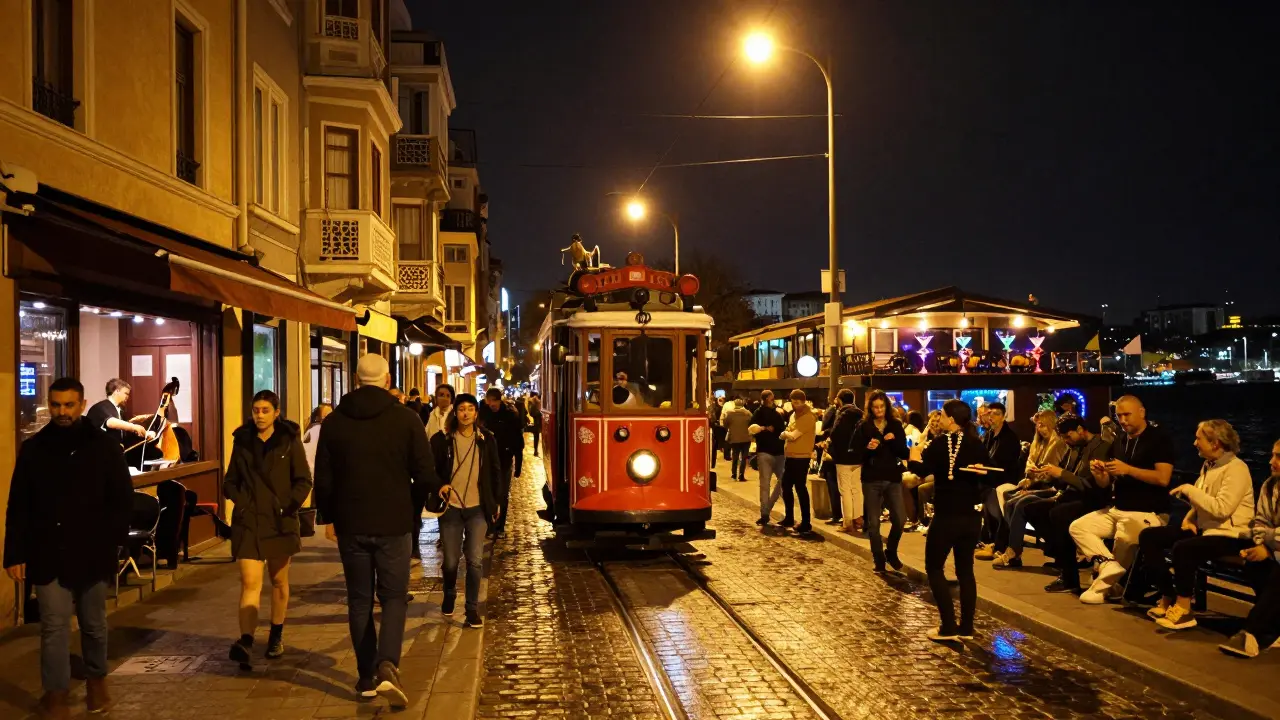
When the sun sets over the Bosphorus, Istanbul doesn’t sleep-it transforms. The city’s nightlife isn’t just about drinking or dancing. It’s a living mosaic of sounds, smells, and stories pulled from centuries of trade, migration, and rebellion. You can sip raki beside Ottoman-era woodwork one hour, then dance to electronic beats in a converted 19th-century synagogue the next. There’s no single Istanbul night. There are dozens-each shaped by the neighborhoods, generations, and cultures that call this city home.
Where the Old Meets the New: Beyoğlu and İstiklal Avenue
İstiklal Avenue is the heartbeat of Istanbul’s modern nightlife. This pedestrian street, lined with historic trams and crumbling Austro-Hungarian facades, hums with energy from dusk till dawn. You’ll find jazz clubs tucked into basement rooms, where Turkish musicians blend traditional saz melodies with American blues. Upstairs, rooftop bars serve craft cocktails with views of the Golden Horn, while street performers play everything from Kurdish folk songs to hip-hop covers.
Don’t miss Bar 1909, a former printing house turned speakeasy. The owner, a former jazz drummer, keeps the playlist strictly vinyl-no playlists, no digital tracks. The crowd? Mix of expats, university students, and grandfathers who remember when this block was a hub for poets and revolutionaries. It’s not loud. It’s not flashy. But it’s real.
The Hidden Clubs: Karaköy and Galata’s Underground Scene
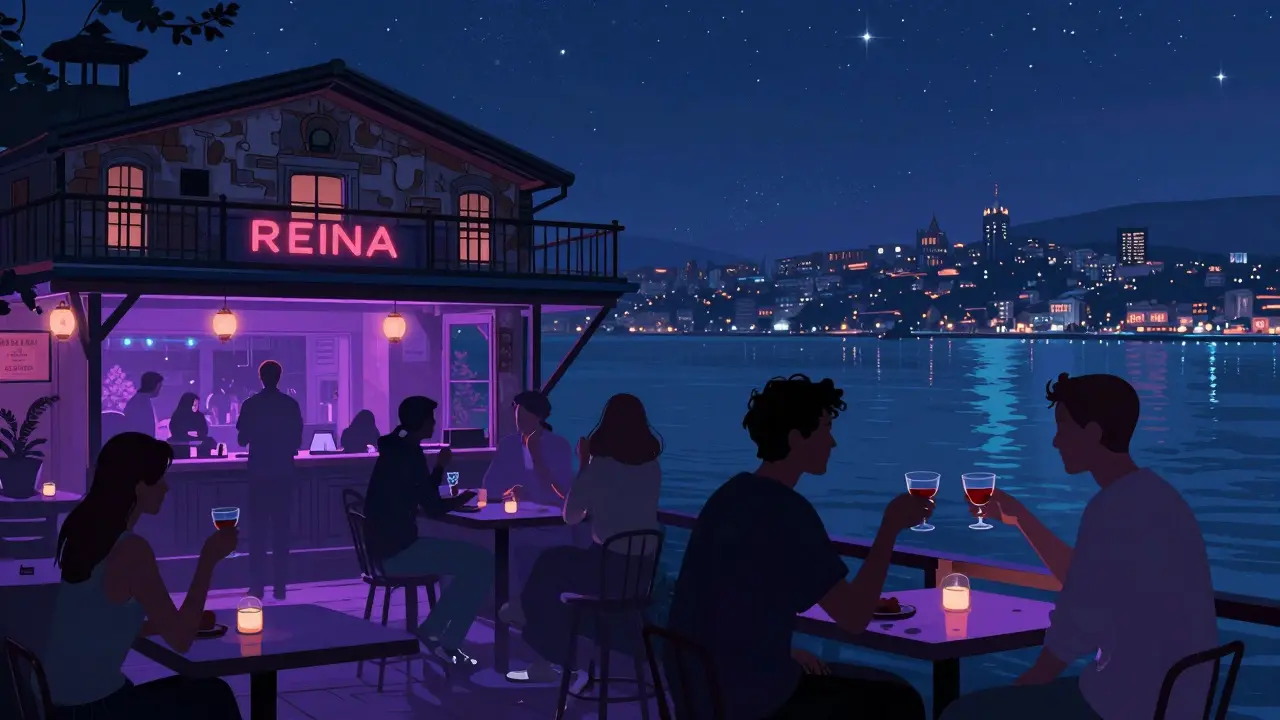
Walk down the narrow alleys of Karaköy after midnight, and you’ll find doors marked only by a single light or a handwritten sign. These are the clubs that don’t advertise. Places like Reina and Karma draw crowds from across Europe, but they’re not tourist traps. Reina, built on a converted warehouse, has a terrace that juts over the water. On Friday nights, you’ll hear techno from Berlin DJs, but the crowd still clinks glasses with raki in hand. It’s a strange mix-traditional and futuristic, but it works.
Down in Galata, Bar 13 plays only Turkish indie rock. No international hits. No remixes. Just bands from Ankara, Izmir, and Trabzon. The owner, a former punk guitarist, doesn’t allow phones on the dance floor. You’re either in the moment, or you’re out. It’s not for everyone. But for those who get it, it’s unforgettable.
The Soul of the City: Kuzguncuk and the Armenian and Greek Nights
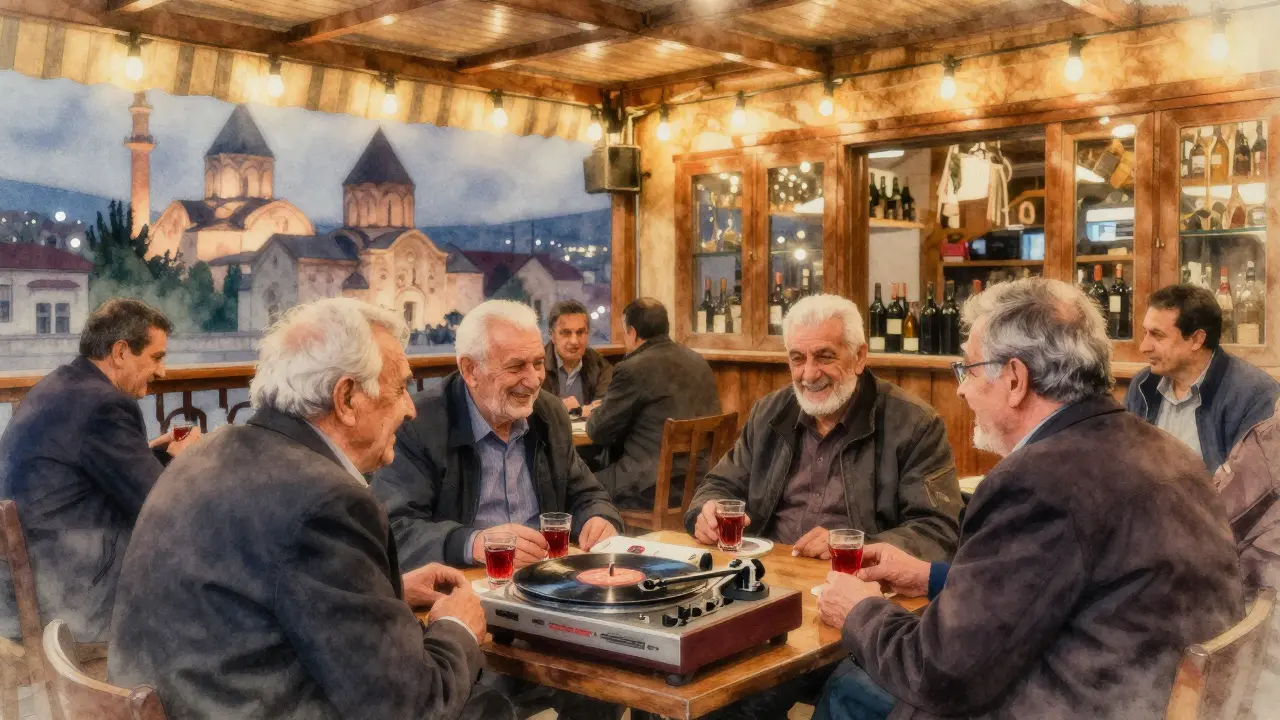
Not all of Istanbul’s nightlife screams. Some of it whispers. In Kuzguncuk, a quiet neighborhood on the Asian side, the nightlife is quiet, intimate, and deeply cultural. The old Greek and Armenian churches still stand, and in their shadow, you’ll find small wine bars serving homemade rakı and pickled vegetables. Locals gather on wooden benches, talking in Turkish, Greek, and Armenian-sometimes all at once.
At Şehitlik Bar, the owner brings out a 1970s-era record player every Thursday. The playlist? Only Turkish pop from the 70s and 80s-artists like Ajda Pekkan and Sezen Aksu. The crowd? Mostly 50-plus locals, but younger visitors come too, drawn by the authenticity. No neon. No bouncers. Just music, memory, and a glass of wine under the stars.
Street Food After Dark: The Unofficial Nightlife Staple
Forget fancy cocktails. For most Istanbul residents, the night doesn’t start until the food does. Around midnight, the kebab stalls along the Grand Bazaar’s back alleys come alive. İskender kebab, sliced thin over toasted bread and drenched in tomato sauce, is the city’s midnight staple. You’ll find it served by men who’ve been doing it for 30 years-no menu, no English, just a nod and a plate.
Don’t miss the simit vendors near the Galata Bridge. These sesame-crusted rings are warm, chewy, and perfect with a cup of Turkish tea. At 2 a.m., the line stretches ten deep. Locals know: if you want the best simit, wait for the one made fresh after the last shift ends. It’s not a tourist attraction. It’s a ritual.
Women, Safety, and the Changing Rules of Night
Walking alone at night in Istanbul used to be risky. Today, it’s different. The city has changed. In areas like Nişantaşı and Bebek, women walk home alone after midnight. Bars have female bouncers. Some clubs, like Yalı in Bebek, even host women-only nights with live acoustic sets and no cover charge.
That doesn’t mean it’s perfect. Some neighborhoods still feel unsafe after 2 a.m. But the shift is real. Women now run half the underground clubs. The city’s LGBTQ+ community has grown louder and prouder. Places like Bar 33 in Kadıköy, a queer-friendly space with drag shows and poetry readings, have become cultural anchors. Istanbul’s nightlife isn’t just diverse-it’s becoming more inclusive.
What You Won’t Find in Tourist Brochures
There are no clubs called “Turkish Paradise” or “Ottoman Dreams.” No fake belly dancers in sequins. No “authentic” experiences sold for $50. The real Istanbul night is messy, loud, surprising, and sometimes confusing. You might end up in a basement where a Kurdish musician plays the bağlama while a Syrian refugee sings in Arabic. Or you might sit with a group of Russian expats debating philosophy over Turkish coffee at 4 a.m.
The magic isn’t in the name of the bar. It’s in the people. The stories. The way a stranger will offer you a seat at their table because you looked lost. The way the music shifts from traditional to electronic without missing a beat.
Istanbul’s nightlife doesn’t ask you to fit in. It invites you to listen.
Is Istanbul nightlife safe for solo travelers?
Yes, but with awareness. Popular areas like Beyoğlu, Karaköy, and Nişantaşı are well-lit and patrolled. Avoid isolated streets after 2 a.m., especially on the Asian side. Stick to busy areas, trust your instincts, and avoid flashing valuables. Most locals are helpful-don’t hesitate to ask for directions.
What’s the best time to experience Istanbul’s nightlife?
Friday and Saturday nights are the busiest, but Tuesday and Wednesday offer the most authentic vibes. Clubs don’t fill up until after midnight, and local hangouts are quieter. If you want to avoid crowds, go midweek. You’ll get better service, cheaper drinks, and real conversations.
Do I need to speak Turkish to enjoy the nightlife?
No, but a few phrases help. Saying “Teşekkür ederim” (thank you) or “Lütfen” (please) goes a long way. Many bartenders in tourist areas speak English, but in hidden spots like Kuzguncuk or Galata’s back alleys, gestures and smiles work better than translation apps. Locals appreciate the effort.
Are there any dress codes for Istanbul clubs?
Most clubs are casual. Jeans and a nice shirt are fine. High heels are common for women, but not required. Avoid flip-flops and sportswear in upscale spots like Reina or Yalı. Some traditional venues, especially in historic buildings, prefer modest clothing-shoulders and knees covered. When in doubt, dress slightly nicer than you think you need to.
Can I find vegan or vegetarian options in Istanbul nightlife spots?
Absolutely. Many bars now offer vegan meze-like stuffed grape leaves, grilled eggplant, and lentil patties. Places like Green House in Karaköy and Chill Out in Beyoğlu specialize in plant-based food and drinks. Even traditional kebab spots have vegetable options now. Just ask for “vejeteryen” (vegetarian) or “vegan” and you’ll be understood.
How late do clubs stay open in Istanbul?
Most clubs close by 4 a.m., but some stay open until sunrise-especially in Karaköy and Bebek. The city doesn’t have strict closing laws like in Europe. If the crowd is still there, the staff will often keep serving. The last trains run around 2 a.m., so plan your ride home. Taxis and ride apps like BiTaksi are reliable and affordable.

Write a comment