Walk into any Berlin neighborhood and you’ll hear whispers about sex massage. Some say it’s a legal form of relaxation. Others claim it’s just prostitution in disguise. The truth? Most people don’t know what they’re talking about. If you’ve ever wondered whether a sex massage in Berlin is safe, legal, or even worth it, you’re not alone. This isn’t about fantasy or taboo. It’s about facts, laws, and what actually happens behind closed doors.
What Is a Sex Massage, Really?
A sex massage isn’t just a massage with extra touches. It’s a service where the goal is sexual arousal or release, often involving nudity and direct genital contact. In Berlin, this blurs the line between therapeutic touch and sexual activity. But here’s the catch: not all erotic massages are the same. Some places offer sensual touch without penetration or orgasm - think long strokes, oil, and intimate pressure. Others cross into illegal territory.
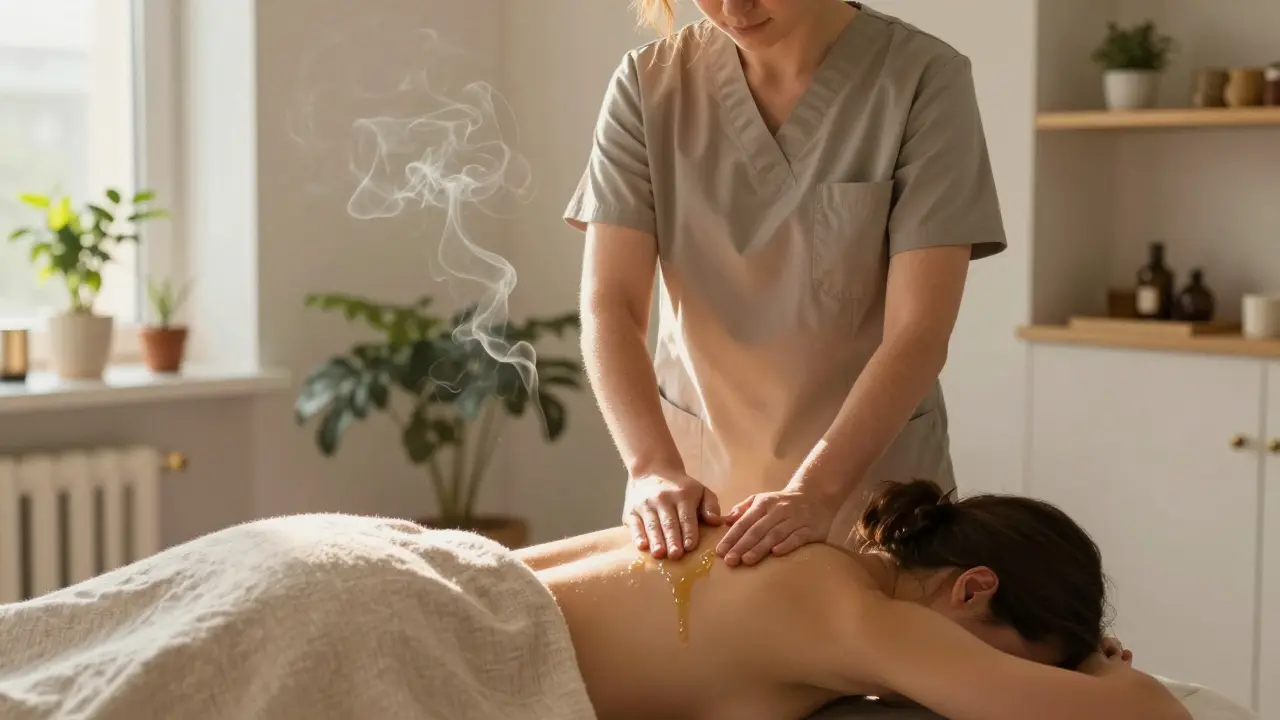
Legal massage parlors in Berlin focus on relaxation, muscle relief, and stress reduction. They follow the same rules as any spa: no nudity beyond what’s necessary for treatment, no sexual acts, no payment for sex. If a place promises "full service" or "happy ending," that’s a red flag. In Germany, paying for sex is legal - but running a business that sells it isn’t. That’s why most legitimate places avoid the term "sex massage" entirely.
Why the Confusion Exists
Berlin has a long history of sexual freedom. From the Weimar Republic’s cabarets to the post-reunification rave scene, the city has always pushed boundaries. That reputation sticks. Tourists hear "Berlin" and assume anything goes. But laws haven’t kept up with the myth.
Many brothels operate under the radar, calling themselves "massage studios" to avoid police attention. They advertise on platforms like Airbnb, Telegram, or hidden Facebook groups. These aren’t spas. They’re unlicensed sex work operations. The people running them don’t have health permits, insurance, or background checks. If something goes wrong - if you’re overcharged, scammed, or assaulted - there’s no recourse.
Meanwhile, real wellness centers offering sensual massage are quietly thriving. They’re often run by licensed therapists with training in bodywork, anatomy, and ethics. Their websites don’t mention sex. They talk about "deep relaxation," "energy flow," and "mind-body connection." You won’t find them on Google Maps. You’ll find them through word of mouth or trusted wellness directories.
The Legal Line in Berlin
Germany’s prostitution law, the ProstG, allows individuals to sell sex legally. But it bans pimping, forced prostitution, and operating brothels. That means one person offering a massage and then having sex with a client? Technically legal - but risky. A business that employs multiple workers, advertises "erotic services," or takes a cut? Illegal.
Police raids happen. In 2024, Berlin authorities shut down 17 massage parlors accused of being fronts for prostitution. Sixteen of them had no health permits. Ten had no registered business address. Two had employees under 18. That’s not a coincidence. It’s the pattern.
So if you’re looking for a massage in Berlin, here’s how to tell the difference:
- Legal: Licensed therapist, clean studio, no nudity unless medically necessary, payment only for time and service, no sexual offers.
- Illegal: No website or license, cash-only, vague descriptions like "special treatment," no visible address, pressure to go upstairs or into a back room.
What People Get Wrong About Sex Massage
Myth #1: "It’s just like a regular massage, but more intimate."
False. A real massage therapist works on fascia, trigger points, and muscle tension. They use pressure, not seduction. If someone is stroking your inner thigh for 20 minutes, they’re not doing therapy. They’re offering something else.
Myth #2: "All sex massages are safe if you use protection."
Protection doesn’t fix the legal or ethical problems. If the service is illegal, you’re still breaking the law. And if the provider isn’t licensed, there’s no guarantee they’ve been tested for STIs. In 2023, Berlin’s public health office reported a 19% rise in STI cases linked to unregulated adult services. That’s not a risk worth taking.
Myth #3: "It’s a cultural thing in Berlin - everyone does it."
It’s not. Most Berliners don’t. The city’s wellness scene is booming - yoga studios, cryotherapy centers, sound baths - and they don’t involve sex. The people running illegal massage parlors aren’t locals. They’re often migrants with few other options. The real cultural trend? People are choosing real healing over cheap thrills.
What You Should Do Instead
If you want relaxation, touch, or intimacy - there are better, safer options.
- Visit a licensed sensual massage therapist who specializes in tantric or holistic bodywork. They’re trained, insured, and transparent. Expect to pay €80-€150 for 60-90 minutes.
- Try a couple’s retreat outside the city. Places like the Black Forest or Lake Müritz offer private spa cabins with massage, steam, and quiet time.
- Book a session with a sex coach or intimacy educator. These professionals help with communication, desire, and connection - without physical contact.
- Join a body-positive workshop in Kreuzberg or Neukölln. Many focus on touch, consent, and self-awareness in a group setting.
These services are legal, safe, and actually help you feel better - not just temporarily aroused, but emotionally grounded.
Why This Matters Beyond Berlin
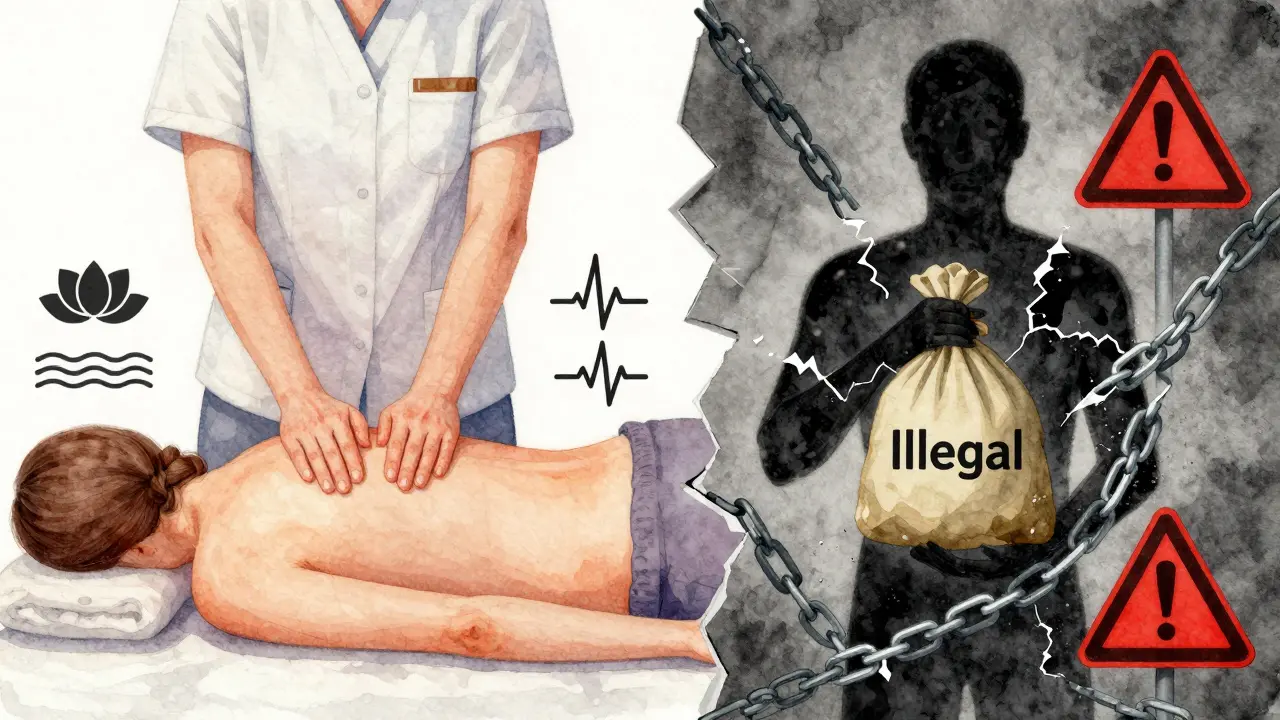
This isn’t just about one city. It’s about how we treat intimacy in modern society. When we confuse sex with healing, we devalue both. Real massage therapy reduces cortisol, improves sleep, and eases chronic pain. Sex work, when consensual and legal, is a valid profession. But mixing them without boundaries creates danger - for clients, workers, and the industry as a whole.
Berlin’s reputation as a place where "anything goes" is outdated. The city is changing. People are demanding transparency. They want to know who’s touching them, what they’re trained in, and what rights they have. That’s progress.
Final Reality Check
If you’re looking for a sex massage in Berlin, you’re not alone. But you’re also not getting what you think you are. You’re not getting therapy. You’re not getting safety. You’re not getting culture. You’re getting a gamble.
There’s no such thing as a "safe illegal service." No amount of discretion changes that. And there’s no need to risk it. The real pleasure isn’t in the act - it’s in knowing you chose something honest, legal, and human.
Choose wellness over myth. Choose clarity over confusion. Choose yourself.
Is sex massage legal in Berlin?
Sex massage as a commercial service - meaning a business offering sexual acts in exchange for money - is illegal in Berlin. While individual sex work is legal under German law, operating a business that facilitates or profits from sexual services is not. Legitimate massage therapists provide relaxation and bodywork without sexual contact. Any establishment advertising "happy endings," "full service," or "erotic massage" is likely operating illegally.
Can I get arrested for getting a sex massage in Berlin?
You won’t be arrested for receiving a sexual service - German law does not criminalize the client. However, you could be questioned by police if you’re found in an unlicensed establishment, especially during a raid. More importantly, you risk being scammed, exposed to STIs, or caught in a human trafficking situation. The legal risk is low, but the personal risk is high.
How do I find a legitimate sensual massage in Berlin?
Look for licensed therapists with certifications in bodywork, such as Swedish massage, Shiatsu, or tantric therapy. Check their websites for clear pricing, location, and credentials. Avoid places with no online presence, cash-only payments, or vague descriptions. Trusted wellness directories like Berlin Wellness Guide or local expat forums often list vetted providers. Expect to pay between €80 and €150 for a 60-90 minute session.
Are there any safe alternatives to sex massage in Berlin?
Yes. Many licensed therapists offer sensual, non-sexual massage focused on relaxation, energy flow, and emotional release. You can also explore couple’s retreats, intimacy coaching, or body-positive workshops in neighborhoods like Kreuzberg and Neukölln. These options prioritize consent, safety, and personal growth - without crossing legal or ethical lines.
Why do so many massage parlors in Berlin shut down?
In 2024 alone, Berlin authorities closed 17 massage parlors linked to illegal prostitution. Most lacked proper business registration, health permits, or insurance. Many operated under false addresses, used unlicensed workers, or pressured clients into sexual acts. These aren’t isolated cases - they’re the norm in unregulated spaces. The city is cracking down to protect both clients and workers from exploitation.

Write a comment