When the sun sets in Milan, the city doesn’t just turn off-it turns up. Forget the quiet streets you walked during the day. At night, Milan becomes a pulsing, stylish, no-nonsense party machine. This isn’t a city that throws parties. It lives them. And if you want to know where the real energy is, you need to go beyond the tourist brochures and into the spots locals actually fill up at 2 a.m.
Brera: Where the Crowd Gets Classy
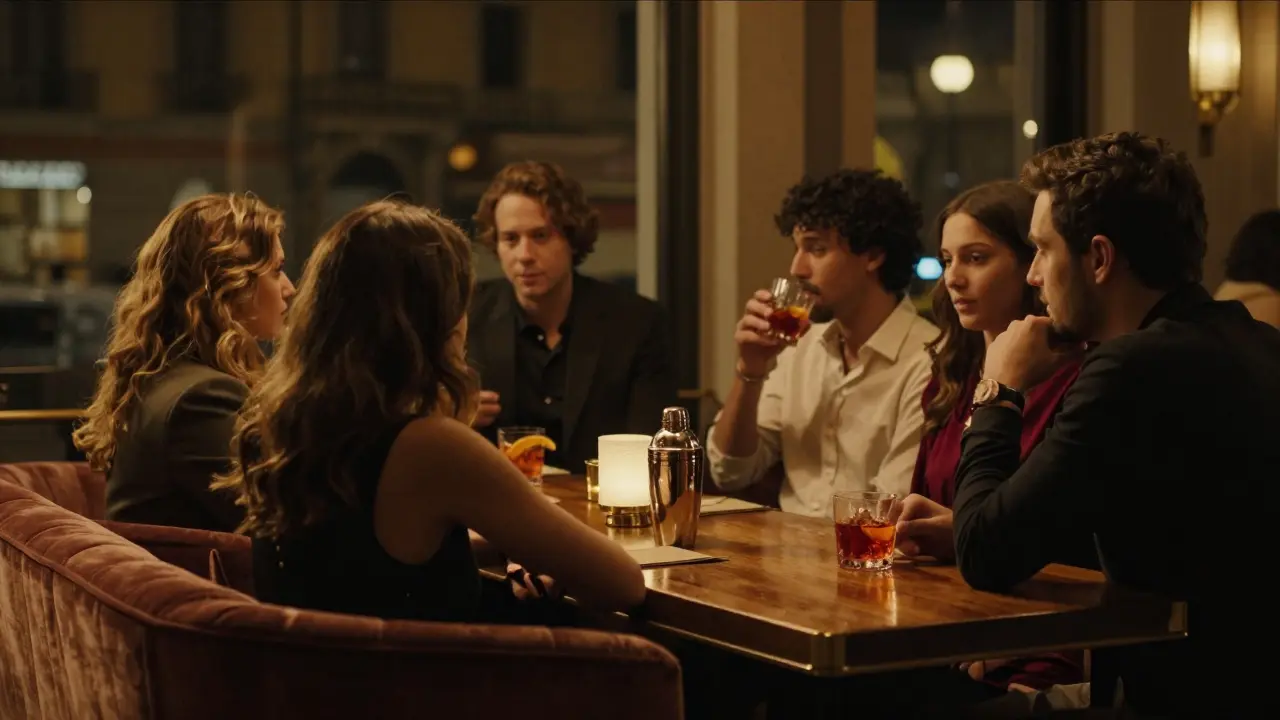
Start in Brera, Milan’s artistic heartbeat. By day, it’s all boutiques and cafés. By night, it transforms into a slow-burn cocktail scene. The bars here aren’t loud. They’re intimate. Think dim lighting, velvet couches, and bartenders who know your name before you order. Bar Basso is legendary-not because it’s flashy, but because it invented the Negroni Sbagliato. You’ll find Milanese professionals here, not tourists. If you’re into conversation over cocktails, this is your zone. Don’t expect music until midnight. But if you want to sip something perfectly balanced while watching the city breathe, Brera is where you belong.Navigli: The Canals That Never Sleep
Head south to the Navigli district, where the canals double as party lanes. This is Milan’s most relaxed, open-air nightlife scene. The vibe? Bohemian meets beach club. Bars spill out onto wooden decks, and music drifts from one venue to the next-sometimes indie rock, sometimes deep house. La Bitta is the anchor here. It’s not fancy, but it’s real. You’ll find locals dancing on tables, sharing bottles of Prosecco, and laughing like they’ve known each other for years. There’s no cover charge. No dress code. Just good music and even better company. If you want to feel like you’re part of the city, not just visiting it, this is your spot.Porta Venezia: The Underground Scene
If you’re looking for something raw, experimental, and unpolished, head to Porta Venezia. This neighborhood is where Milan’s alternative crowd hangs. You won’t find neon signs or VIP sections here. Instead, you’ll find warehouses turned into clubs, basement bars with hidden doors, and DJs who play tracks you’ve never heard. Teatro degli Orrori is a cult favorite. It’s a former theater with peeling walls and a sound system that shakes your ribs. The crowd? Artists, students, queer creatives, and a few brave tourists. They don’t care if you’re dressed right. They care if you move. The music changes every night-experimental techno, punk remixes, live jazz. If you’re tired of the same beats, this is where you rediscover what clubbing feels like.Corso Como: The VIP Playground
For the high-end crowd, Corso Como is the place. It’s not just a bar. It’s a lifestyle. The building itself is a design landmark, with a rooftop terrace that overlooks the city skyline. Corso Como 10 is the main draw. It’s where Milan’s fashion elite unwind after shows. The music is polished, the drinks are expensive, and the lighting is soft enough to make everyone look good. You’ll see models, designers, and influencers here-but also genuine music lovers who just happen to own a Gucci jacket. The vibe is exclusive, but not snobby. You don’t need to be famous. You just need to know how to carry yourself. Bring cash. The cover is €30, but it gets you access to a rooftop that feels like a private party in the clouds.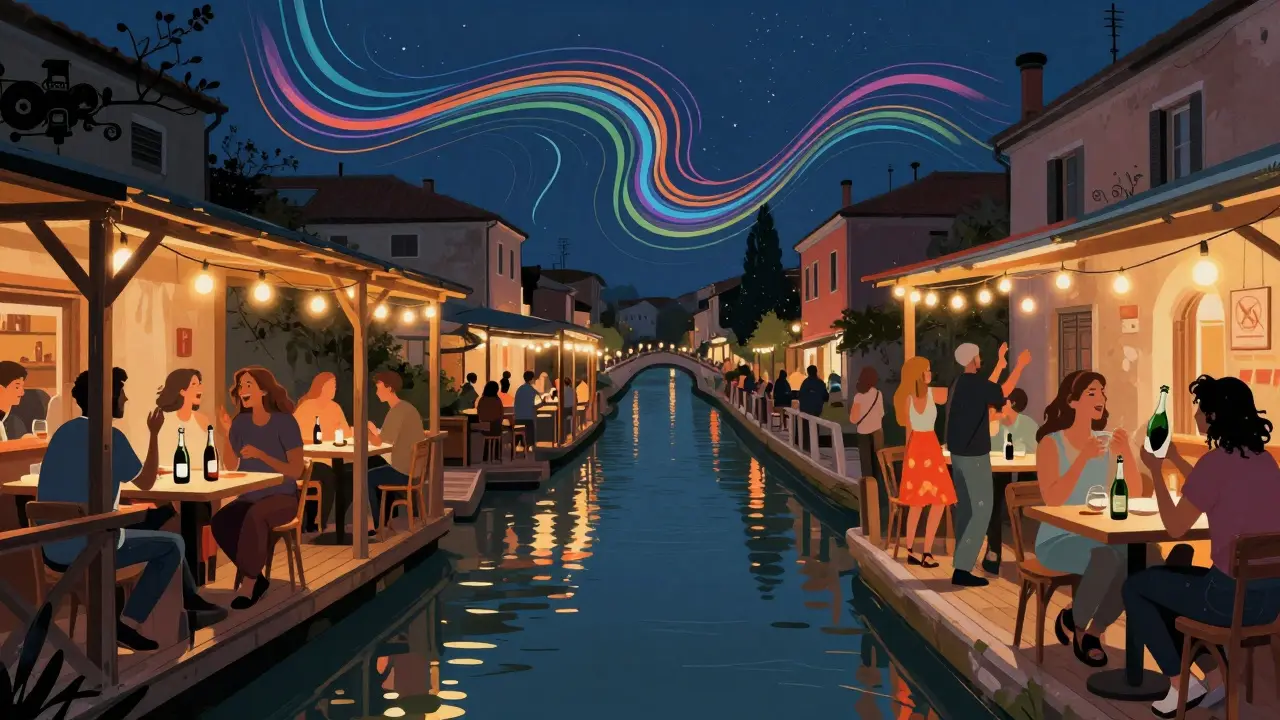
Zone 2: The Secret Warehouse Scene
Most tourists don’t even know Zone 2 exists. It’s an industrial zone on the city’s edge, where abandoned factories have been turned into underground clubs. This is where the real nightlife elite go after midnight. No signs. No website. Just a WhatsApp group and a password. La Scala (not the opera house) is the most talked-about spot. It’s a 100-year-old textile factory with a massive sound system and a dance floor that never stops. The DJs? Mostly underground Italian producers who’ve never been on Spotify. The crowd? A mix of Milanese tech entrepreneurs, Berlin-based DJs on tour, and a few curious travelers who got lucky. Entry is by invitation only, but if you ask the right person at Bar Basso or Teatro degli Orrori, they’ll give you a code. It’s worth the effort.What to Wear (And What Not To)
Milan doesn’t have a strict dress code, but it has a silent one. You won’t get in wearing sneakers and a hoodie unless you’re in Porta Venezia. In Brera and Corso Como, smart casual is the rule: dark jeans, a blazer, leather shoes. Women wear tailored dresses or silk tops. In Navigli, anything goes-flip-flops, vintage tees, even raincoats. But if you show up to Zone 2 in a baseball cap? You’ll get turned away. The rule of thumb? Look like you tried, but not too hard. Milanese people notice effort. They also notice desperation. Keep it clean. Keep it cool. Keep it quiet.When to Go
Weeknights? Quiet. Thursday is when things start to stir. Friday is peak. Clubs don’t really fill up until 1 a.m. and don’t shut down until 5 a.m. Saturday is the same, but with more people and louder music. Sunday? Some bars stay open for brunch DJs. If you’re a night owl, you’ll be fine. If you need sleep, skip it. The best time to arrive? Between 12:30 and 1:30 a.m. Too early, and you’re sitting alone. Too late, and you’re fighting for space.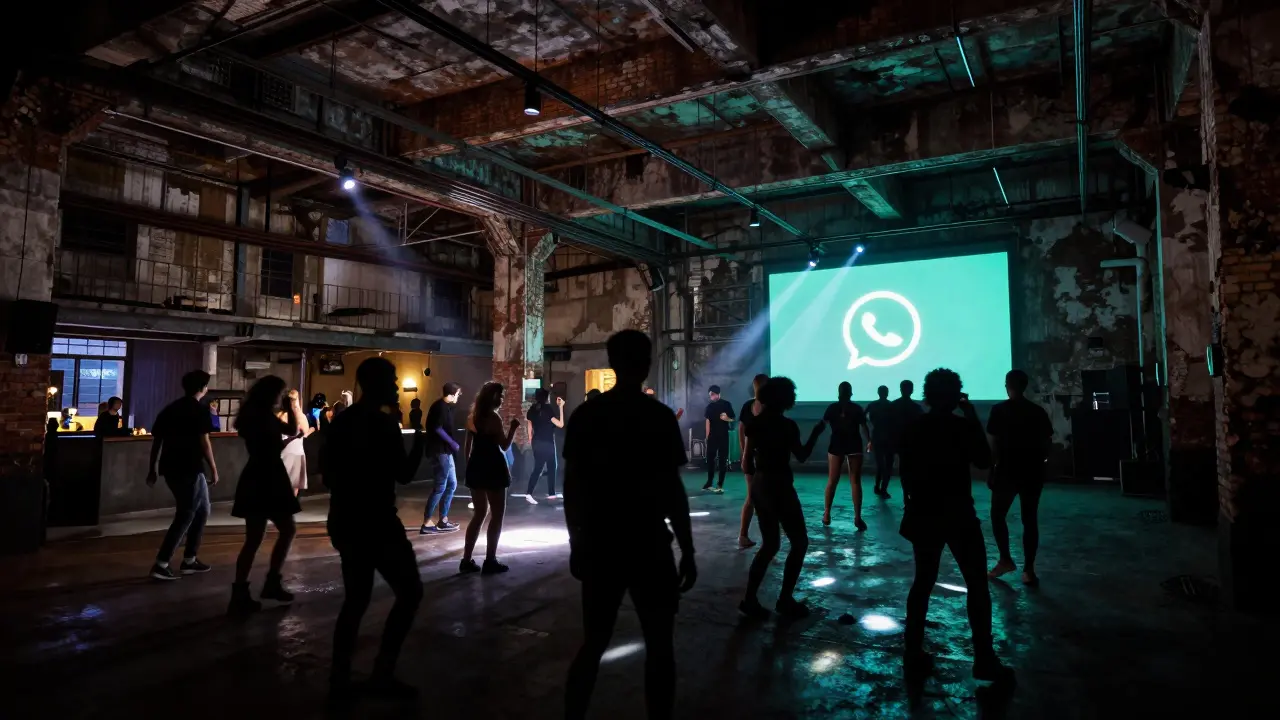
Drink Like a Local
Don’t order a vodka soda. Don’t ask for a “martini” unless you want a confused bartender. Milanese drinks are simple and bold. The Negroni is the city’s signature. Ask for it on the rocks. Try an Aperol Spritz before dinner-it’s everywhere. For something stronger, go for a Campari Soda. And if you’re feeling adventurous, ask for a “Bicerin”-a layered drink of espresso, chocolate, and cream, served in a small glass. It’s not a party drink, but locals love it after midnight.How to Get Around
The metro runs until 1:30 a.m. After that, you’re on your own. Uber is reliable but expensive. Local taxis are cheaper but harder to find. The best option? Walk. Milan’s nightlife zones are close. Brera to Navigli is 20 minutes. Porta Venezia to Corso Como is 15. If you’re going to Zone 2, book a ride before midnight. Don’t rely on your phone to find it. The address won’t show up on Google Maps. Ask someone. They’ll know.Final Tip: Don’t Chase the Scene
The biggest mistake tourists make? They try to find the “hottest” spot. That’s not how Milan works. The best nights happen when you let the city lead you. Wander. Talk to someone at the bar. Let the music pull you in. If you’re not having fun by 2 a.m., move on. There’s always another place. And in Milan, the real party isn’t in the venue-it’s in the people who show up, night after night, because they love being here.What’s the best night to go out in Milan?
Friday and Saturday are the busiest nights, but Thursday is when locals start letting loose. If you want to avoid crowds but still feel the energy, go on a Thursday. The clubs are less packed, the DJs are more experimental, and the vibe is more relaxed. Sunday mornings have brunch DJs in Navigli and Brera if you’re still going.
Is Milan nightlife safe?
Yes, Milan’s nightlife is generally very safe. The city has a strong police presence around popular districts, especially on weekends. Stick to well-known areas like Brera, Navigli, and Corso Como. Avoid isolated streets after 3 a.m. and don’t carry large amounts of cash. Most clubs have security, and bouncers are trained to handle issues calmly. If something feels off, leave. There’s always another bar nearby.
Do I need to book tables in advance?
Only at Corso Como 10 and a few other high-end spots. Most places don’t take reservations. You just show up. If you’re going to Zone 2 or Teatro degli Orrori, don’t even try to book-entry is by word-of-mouth. For Navigli and Brera, arriving before midnight means you’ll get a good seat. After 1 a.m., you’re standing or squeezing in.
Are there any free entry clubs in Milan?
Yes, especially in Navigli and Porta Venezia. Many bars don’t charge cover before midnight. After that, some charge €5-€10, but it’s usually just to cover the music. Corso Como and Zone 2 will charge €20-€30. If you’re on a budget, stick to Navigli after 11 p.m. and Brera before midnight. You’ll still get great music, great drinks, and great people.
What time do clubs close in Milan?
Most clubs close between 4 and 5 a.m. Some, like Zone 2, stay open until 6 a.m. on weekends. Bars in Navigli and Brera often serve coffee and pastries until 6 a.m. for those who want to wind down. The city doesn’t shut off-it just slows down. If you’re still going at 5 a.m., you’re doing it right.

Write a comment